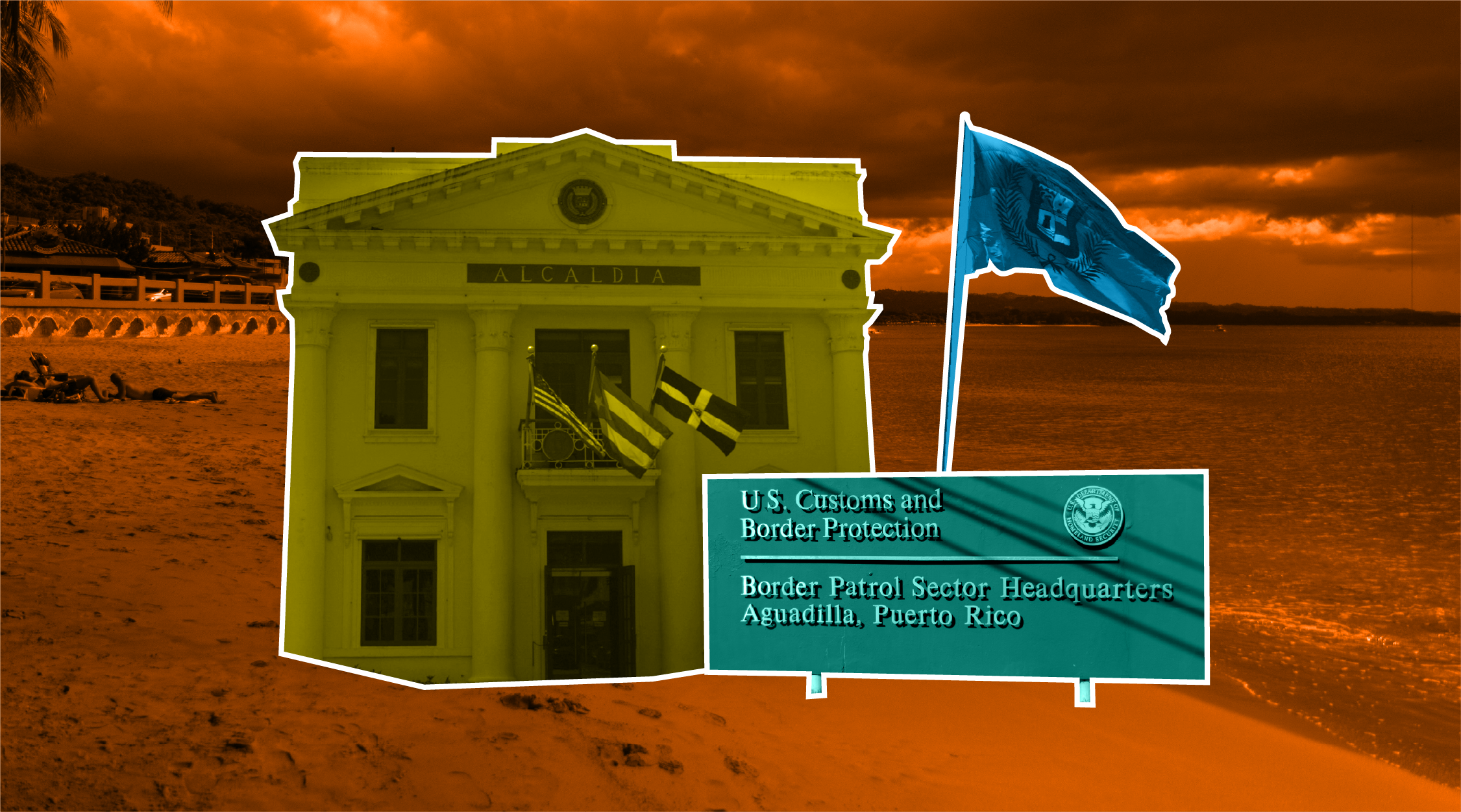
Poor Prognosis for Puerto Rico’s Health Care System Under the Control Board
Descubre el impacto de las decisiones de la Junta de Control Fiscal en los servicios de salud del archipiélago
Editor's Note: This is the first of two stories examining the impact of the Fiscal Control Board on public health in Puerto Rico. This story was co-published with Truthdig.
Imagine working at a public hospital in Puerto Rico. Your shift starts at 11 p.m. It’s time for the graveyard shift. You arrive at the obstetrics and gynecology floor where you work and discover you are the only nurse attending 20 patients. To make matters worse, an obstetric emergency arises and no orderly is available to help transport the patient to the emergency room.
This shift was what led a registered nurse with 25 years of experience to quit. “I collapsed,” said the 47-year-old woman, describing the surge of frustration, exhaustion and distress after her supervisor reprimanded her for not documenting every task.
Soon after, she found a job at another public hospital, but she quickly encountered similar problems: staffing shortages, heavy workloads, outdated equipment and manual processes for handling medications. She lasted only two weeks there.
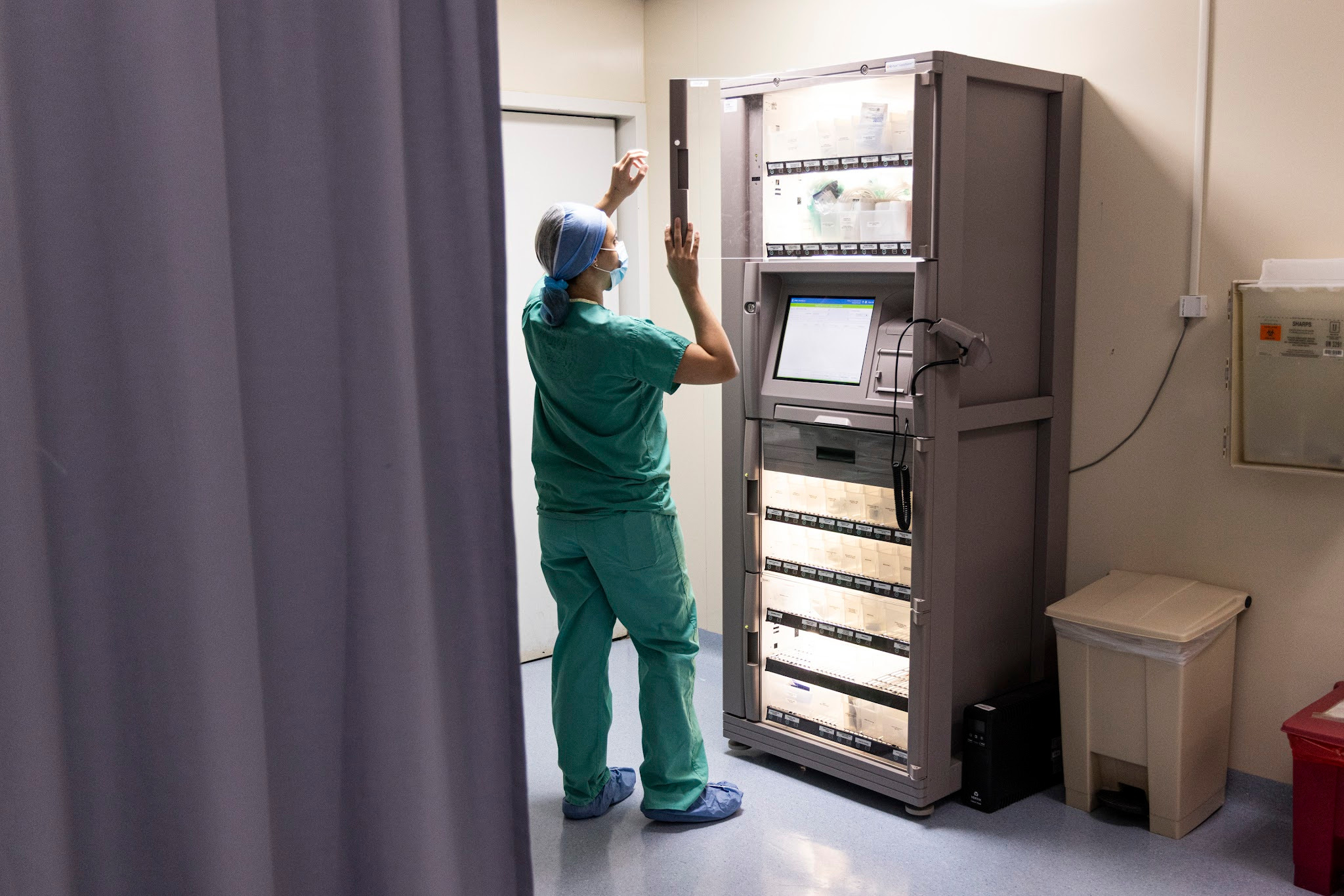
“I had been told that it was going to be calmer (there), but no,” said the nurse, who asked to remain anonymous to avoid possible repercussions with former employers.
Puerto Rico is facing a nursing shortage of 35%, made worse by professionals migrating to seek better pay and living conditions, according to an estimate by the firm Estudios Técnicos, Inc. based on a sample study. Since 2022, more than 2,500 nurses have emigrated, while demand for outpatient and specialized hospital services is projected to rise by more than 15%, posing challenges for continuity and safety of care.
A legislative measure to address this has been stalled due to opposition by the Financial Control Board that the United States imposed a decade ago to control the archipelago’s public money. An investigation by 9 Millones and Truthdig revealed that, over the past four years, that agency has raised objections to the feasibility of seven bills on health care—out of a total of nine that were submitted to it by senators or representatives. Since 2017, it has halted the implementation of six laws intended to regulate the health care industry or address the shortage of health care professionals.
In 2016, the U.S. Congress passed the PROMESA law, under the pretext of “controlling public spending and restructuring public debt,” in exchange for restoring Puerto Rico’s access to capital markets. As part of its control over the country's finances, the Board approves government budgets and decides whether laws, regulations, administrative orders and executive orders comply with the fiscal plan it established for Puerto Rico.
In addition, since 2017, it has halted the implementation of six laws that were intended to regulate the healthcare industry or address the shortage of healthcare professionals.
"The nursing system has collapsed," said the registered nurse, asserting that the combination of understaffing, low wages and overworking has pushed them to the limit.
The exodus of nursing professionals is evident in the numbers: according to Estudios Técnicos, 40.3% of those who graduated from nursing programs at universities in the archipelago, between 2021 and 2024, are practicing outside Puerto Rico, mainly in the United States.

Unlike thousands of colleagues who have emigrated, the 47-year-old woman says her family responsibilities as the mother of a child with autism make it hard for her to relocate.
In Florida, nurses earn nearly double what they make at Puerto Rican public hospitals, and more than double what they make at private hospitals. Hospital systems such as the University of Florida’s UF Health document four to six patients per nurse across a variety of care units.
An adequate staffing ratio would be between four and eight patients per nurse, said Juan Del Valle, president of the Puerto Rican Organization of Nursing Professionals (OPPE), to 9 Millones and Truthdig. Any more, and nurses can experience burnout, illness and emotional exhaustion. Further, a work overload can contribute to people leaving the profession and affect patient safety, he said.
"People think it's just about the workload, but we really want to be able to provide better service," Del Valle said.
Constant opposition
The Control Board's opposition to any initiative involving the disbursement of public funds has been constant since its creation 10 years ago. In its letters, it consistently states that the measures must be revenue-neutral, by identifying additional revenue or cutting spending to offset the negative fiscal impact.
Its objections sometimes come in diplomatic language. For example, when it opposed Senate Bill 850, which established salary scales for nursing professionals in the public sector, it said in its April 27 letter this year that “the end was noble,” but it "creates challenges for classification and compensation plans that limit the flexibility the government needs to establish competitive salaries.”
The increases proposed by the measure would take the minimum salary for an inexperienced nurse from $1,800 a month — which is at the U.S. federal government's poverty level for a family of two — to $2,916 a month. But the measure received a negative report from OPAL in May for presenting "an alignment challenge with the Fiscal Plan," following the Control Board's opposition.
The Control Board established a regulation to centralize the granting of salary increases within the government. The process requires agencies to justify salary adjustments and demonstrate that it complies with the scales established by the Office of Administration and Human Resources Transformation. In addition, they must comply with any applicable fiscal and budgetary provisions under the Oversight Board’s supervision.
"Everything has been a public relations exercise … The board was supposed to make a difference, but it has been the same as the government: nothing," said economist José Caraballo Cueto.
Under the Control Board’s regime, the public health system has a guarded prognosis — in other words, an uncertain future. Its symptoms raise questions about the ability to maintain the services and staff needed to care for the population. The Board's constant scrutiny is combined with other problems, such as rising costs and uncertainty over whether federal Medicaid funding will be extended for the 1.4 million residents who depend on that coverage.

The board’s director, Robert Mujica, responded in writing to 9 Millones and Truthdig, acknowledging that “Puerto Rico’s healthcare system faces structural challenges,” such as a shortage of medical professionals, geographic disparities in access to healthcare services, and an aging population. They added to that list a “dependence on federal Medicaid funds,” something they believe warrants a “permanent solution.”
Regarding the public health legislation that the board has rejected, he argued that the PROMESA Act grants them the responsibility to assess the fiscal impact of laws passed by the Government of Puerto Rico and their compliance with the Fiscal Plan certified by the board for that year.
“This review is limited to the fiscal aspects established by PROMESA and seeks to ensure that financial obligations have sustainable sources of funding,” he replied, quickly adding that they are working directly with the Department of Health to ensure the agency can present evidence justifying the allocation of public funds to specific initiatives such as the expansion of medical residency programs, a pilot program for electronic consultations, the creation of a Center of Excellence for the Prevention of Diabetes in Youth, and incentives to recruit and retain medical specialists in areas of greatest need.
Health Secretary Dr. Víctor Ramos confirmed that they meet with the Board weekly; that the Board’s control over the budget delays the implementation of programs, but, unlike other agencies, the one he leads has not suffered significant cuts. “We have meetings. It’s not an adversarial relationship—not with the Health Department. But yes, they make a lot of demands, and yes, things get delayed,” he insisted, noting that the Board “is just another layer of bureaucracy.”
In some cases, the Control Board does not need to intervene, as the Office of the Budget of the Legislative Assembly (OPAL, in Spanish) warns of a negative fiscal impact (or the difficulty in determining the impact). This happened, for example, with four other measures introduced during this four-year term to provide incentives for nurses, which also failed to pass.
There were four other legislative measures related to nursing that stalled after the Office of the Budget of the Legislative Assembly (OPAL, in Spanish) warned that they had a negative fiscal impact or that their impact could not be determined. This office was created in 2023 to analyze the fiscal impact of proposed bills, something the PROMESA law requires of the Control Board.
OPAL was created in 2023 to analyze the fiscal impact of legislative measures, a requirement imposed on the Government of Puerto Rico by the PROMESA Act. The board actively participated in the design of OPAL at the invitation of the then-speaker of Puerto Rico’s House of Representatives, Rafael “Tatito” Hernández. In one of its letters, the Board stated it was “willing to assist in the training of OPAL staff.”
Imposing austerity measures and paralyzing legislative projects have been some of the Control Board’s actions, with repercussions for public health, such as restricting or delaying policies, programs and projects. Experts consulted by 9 Millones and Truthdig insist that its management should be evaluated not only by reduced spending, but also by its impact on the health system's ability to respond to the country's needs.
"The board is not part of the solution; rather, it has become part of the problem," said Dr. Heriberto Marín, a professor at the Graduate School of Public Health of the Medical Sciences Campus at the University of Puerto Rico.
Among them was a measure that proposed raising the age limit at which "young entrepreneurs" can apply for tax exemptions from 35 to 40. If approved, more young people could apply for tax relief when opening their medical practice in Puerto Rico. However, the Control Board reported that the supposed impact of this measure for fiscal year 2025 was between $800,000 to $1.6 million, and warned that it violated PROMESA. The measure went no further than a referral to the Senate Finance Committee, where the Oversight Board sent a letter to then-chairperson Juan Zaragoza explaining the reasons for its opposition.
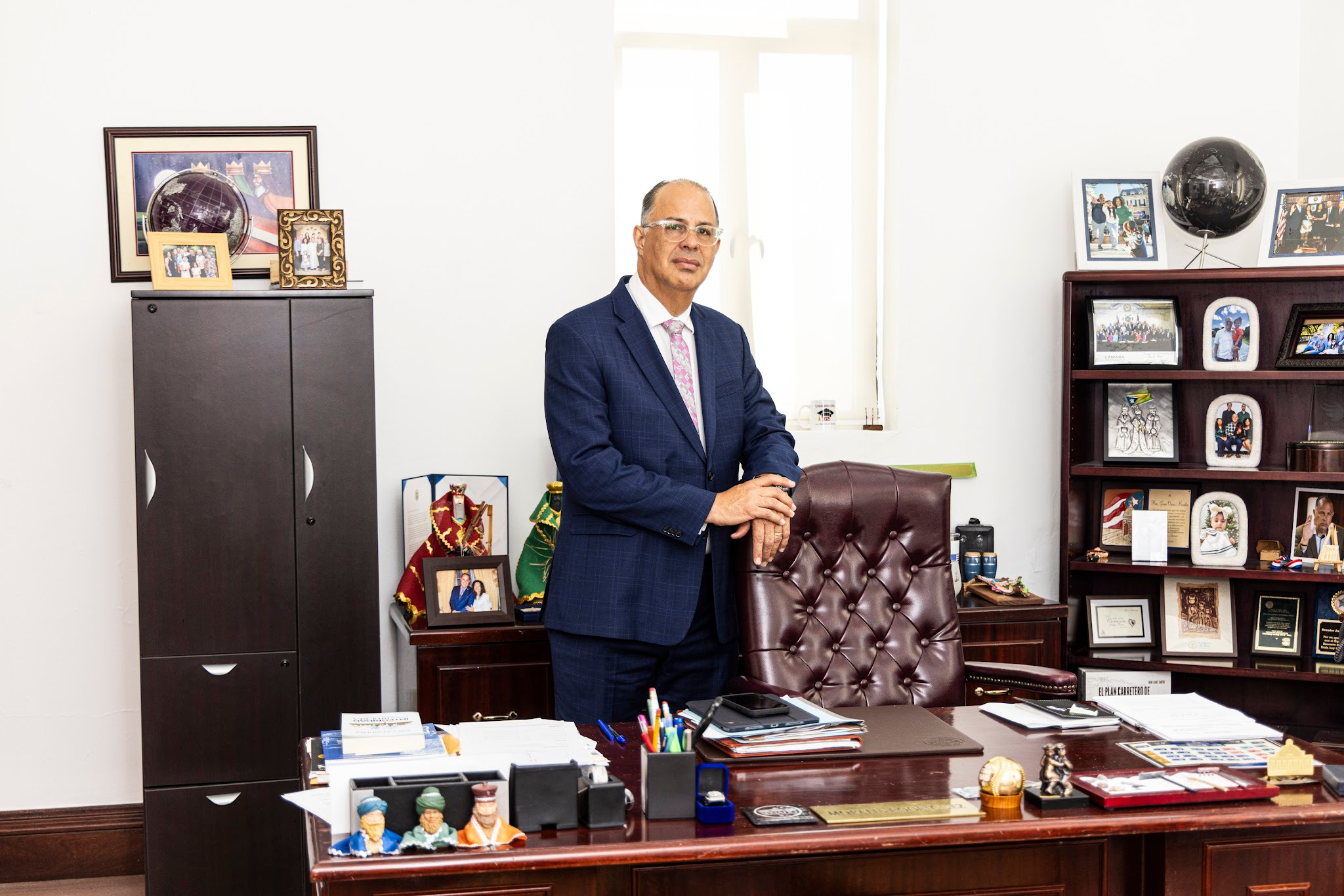
"The board has been a stumbling block. We can't legislate just to legislate, but the board has been an obstacle," lamented Sen. Juan Oscar Morales, chairperson of the Senate Health Committee. The board's reasoning is based on dollars and cents, he maintained. "The board first looks at its pocketbook and then at general welfare," he said.
When a measure is still a proposed bill, the board can review it to assess its fiscal impact; when it becomes a law, the government must submit it along with information on its costs and its compatibility with the Fiscal Plan. At this stage, the Control Board can challenge its implementation if it determines that it is inconsistent with PROMESA or the fiscal plan.
The Control Board has also gone to court to halt the implementation of laws enacted by the government of Puerto Rico. Rep. Gabriel Rodríguez Aguiló, chairperson of the House Health Committee, acknowledged to Truthdig and 9 Millones that the Control Board has not certified several health-related laws due to their supposed incompatibility with the fiscal plan or because no funds have been identified for their implementation. Among the health statutes blocked by the board, Rodríguez cited Law 82-2019, which regulated pharmacy benefit managers, and Law 138-2019, which prohibited predatory practices in medical contracting. In both cases, the Oversight Board went to federal court to prevent their implementation.
Meanwhile, for two years the Control Board delayed the implementation of a law that grants more powers to the Patient Ombudsman to penalize insurers for canceling coverage or reducing services. It declared the regulation null, then the Puerto Rican government continued negotiating until it finally obtained the Control Board’s approval of the regulation, which allowed it to take effect in 2019.
Another measure objected to by the Control Board is Law 142 of 2020, which amended the Insurance Code to prohibit health plans from altering or invalidating the criteria or treatments prescribed by a primary care physician. The law shortened the time frame within which insurers must respond to a claim regarding a denial of coverage for services or controlled substances. Rodríguez said that, since the Executive Branch could not certify the cost of the measure in court, its implementation was paralyzed for violating PROMESA.
“An institutional roadblock”
Rodríguez labelled the Puerto Rico government’s failure to respond diligently to questions about these and other measures as “an institutional roadblock.” For example, he said the government consistently fails to provide independent cost estimates showing that the laws the Control Board has challenged will not require additional money from the General Fund.
On various occasions, the Control Board has cited deficiencies in cost estimates, a lack of documentation to support projections and an absence of identified funding sources.
Del Valle, the president of the OPPE, also did not absolve the executive and legislative branches of responsibility. “It’s up to lawmakers to present where that budget will come from,” he said, in reference to pay raises for nurses and the limit on patients per shift.
An odyssey for medicine
Among the key health-related laws the Control Board has put on hold are several involving pharmacy benefit managers (PBMs), which serve as intermediaries between insurers, pharmacies and drugmakers.
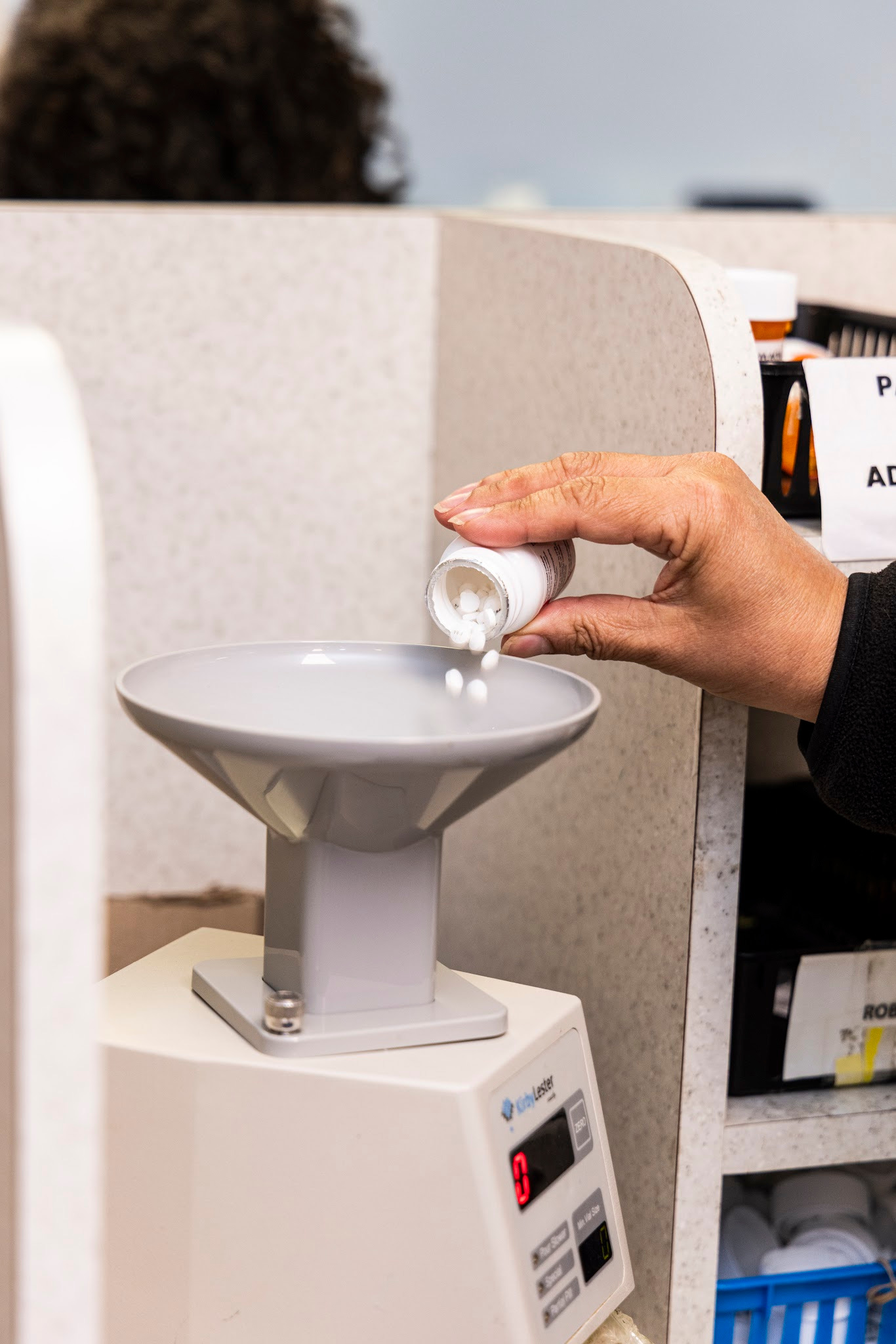
Every month, when her medications are about to run out, Carla (a pseudonym), 45, faces an odyssey to get them, she tells Truthdig and 9 Millones. Over the past three years, shortages of some controlled drugs, delays at pharmacies and changes in her health coverage have made it even harder for her to access the medicines she needs.
One of the hardest medications to find, she said, is Adderall, which she has used for a decade, mainly to treat ADHD. She has had to go to pharmacies an hour away from her home. She has also been denied another mental health medication, and has faced an increase in the cost of Synthroid, for hypothyroidism, from $15 to more than $40 a month.
“It’s traumatic every time I run out of a refill,” she said. According to her account, understaffing at pharmacies can delay orders by two to three days, and sometimes she receives only part of her prescription, forcing her to look for the rest at another pharmacy.
The Control Board filed its opposition to Law 82-2019, which established a framework for overseeing these entities, before Judge Laura Taylor Swain, who presides over the Puerto Rico government’s bankruptcy case.
“For patients, (the Control Board opposition) has meant higher (drug) costs, difficulty getting access and denials,” said María Cristy, vice president of patient services for the American Cancer Society of Puerto Rico.
This, she warned, leads to the patient getting worse, and an increase in emergency room visits and hospitalizations, which in turn leads to higher costs for the government and the health care system.
Approval delays are among the impacts of the lack of PBM regulation in Puerto Rico, Cristy said. “In states with PBM regulations, savings have been demonstrated. We don’t understand why the government hasn’t been able to grasp that,” she added.
Law 82 was created to establish a Regulatory Commission to resolve disputes between pharmacies and PBMs. Heriberto Ortiz, executive director of the Puerto Rican Pharmacies Cooperative (Coopharma), told Truthdig and 9 Millones that in the absence of an oversight entity, he said, these intermediaries control payments and reimbursements without being penalized.
"Judge Taylor Swain did not repeal the law; she suspended it and told the government to demonstrate its fiscal impact. Two studies were done. In the first, there was no impact. Another report was sent and it is a mystery," he said. In a 2019 letter, Wanda Vázquez’s administration informed the Board that the measure would have a budgetary impact of $475,000, and that “if it were necessary to reallocate resources, a formal request would be submitted.”
Although Pedro Pierluisi’s administration appealed to the U.S. Court of Appeals for the First Circuit in Boston in 2020, that court struck down this law. The U.S. court ruled that the Board’s decision not to certify the law had not been arbitrary or capricious and that the Vázquez administration’s estimates were not sufficiently “formal,” and ignored testimony from the Health Insurance Administration (ASES) that it could result in additional expenses of $47 million.
Patients are the ones that are most affected, Ortiz lamented, since many are left without access to their medications or with pharmacy coverage that runs out before a year.
Sen. Morales acknowledged that the government took more than 20 years to pass legislation on this matter, which is why he criticized the Control Board's order to paralyze the bill. It alleged a fiscal impact of $25 to $30 million (based on the annual estimate that PBMs and insurers presented during the public hearings on the measure), even though the Financial Advisory Authority and Fiscal Agency (AAFAF) had calculated the estimated cost at $2 million.
"That law was not implemented because of government inaction. It is a shared blame," he stressed. The senator acknowledged that some of the consequences have been delays in dispensing medications due to difficulties with authorizations, excessive audits at pharmacies questioning billing, and reimbursements not commensurate with the cost of medications.
The Health secretary said he did not understand the board’s argument that it could jeopardize federal funds, given that the U.S. Supreme Court ruled that PBMs are a “state matter.” “I don’t see why they don’t reinstate the law. We’ve asked them every time we meet. They say they’re evaluating it,” Ramos said.
For Caraballo, the Control Board's biggest impact has been its intervention to suspend laws related to the supervision of PBMs and insurers, even though both were approved on a bipartisan basis and represented a minimal cost to implement.
"Many said the board was coming to rein in the politicians, but the people are the ones paying for austerity," he said.
Marga Parés Arroyo is an award-winning independent health & aging journalist. Her work also focuses on science, medicine, and public policy.
Laura M. Quintero of 9 Millones edited and fact-checked the data for this report. Tamara Pearson of Truthdig translated it into English and fact-checked the information. Luis Alfaro Pérez assisted with proofreading.