OPINION: Good tax policies require transparency
Puerto Rican residents finance tax exemptions, but cannot oversee them, argue members of the PR No Se Vende coalition
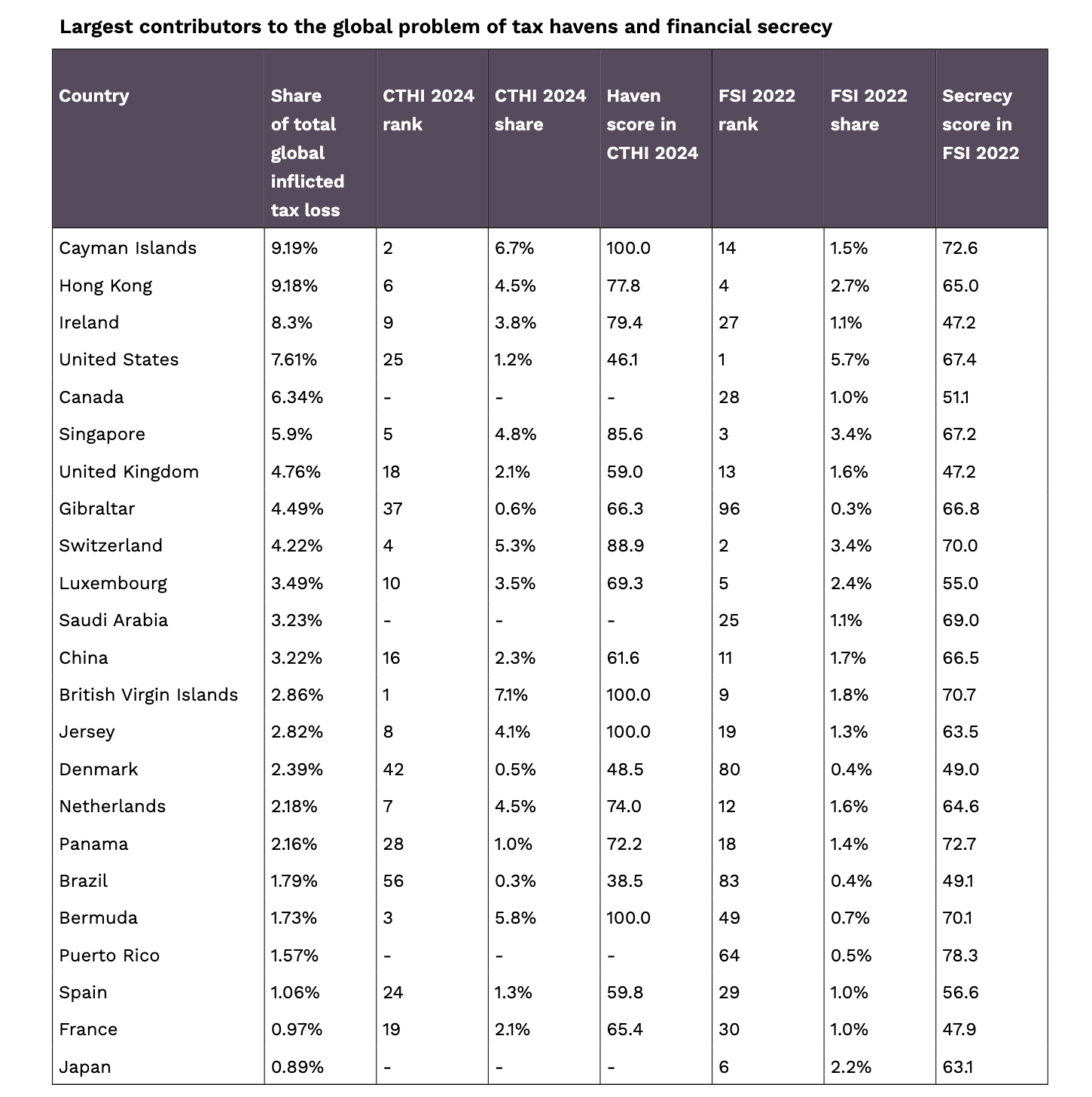
Recent reports from the Tax Justice Network rank Puerto Rico among the top 20 countries contributing most to the global problem of tax havens and financial opacity. International methodologies and standards used to assess the erosion of the tax base globally support this data
When discussing tax havens, it is worth remembering what they are and why they pose a risk. These jurisdictions artificially reduce the tax burden for certain actors, while maintaining high levels of opacity, scant oversight, and disproportionate benefits for a few. This often results in lost public revenue, economic distortion, and transfers economic, social and environmental costs to the rest of the population.
For example, the decrees under the former Act 22 (now integrated into Act 60-2019) are part of the tax haven model that Puerto Rico has historically promoted. Not only are there many benefits, but the Government does not present real evidence of who receives the tax decrees. A name in a spreadsheet does not identify a person and their profile. The Government also does not show if beneficiaries comply with the requirements that justify those privileges; how much they really cost the country or what Puerto Rico gets in return. They cannot prove with data what they so strongly defend; instead, they promote the decree based on reports containing evidence that they refuse to publish.
The Department of Economic Development and Commerce (DDEC) took more than nine years to begin auditing these decrees, according to the Comptroller's Office. Even after the Center for Investigative Journalism achieved a court order mandating the disclosure of annual reports, the DDEC has continued to resist handing over the database used in its reports to "evidence" the impact of various types of tax decrees, and defend the benefits of Act 22.
This lack of transparency affects more than civil society. Even the Internal Revenue Service (IRS) had to wait years for the Department of Treasury of Puerto Rico to deliver information on investor residents, requested in February 2020. When they finally provided it in October 2024, the records were incomplete.
Even worse, the Government of Puerto Rico cannot seem to agree on the fiscal cost of Act 22. For example, in 2020, the Department of Treasury estimated an annual tax expenditure of $545 million, while the DDEC reported a cost of just $82.6 million. Last year, the Treasury raised its estimate to $2.5 billion annually, an increase of 281% from the figure originally projected for 2024, without clearly explaining the methodology or the supposed return on investment used to justify the decrees.
How can one defend a policy when even the government cannot agree on its costs? The absurdity here is hard to ignore.
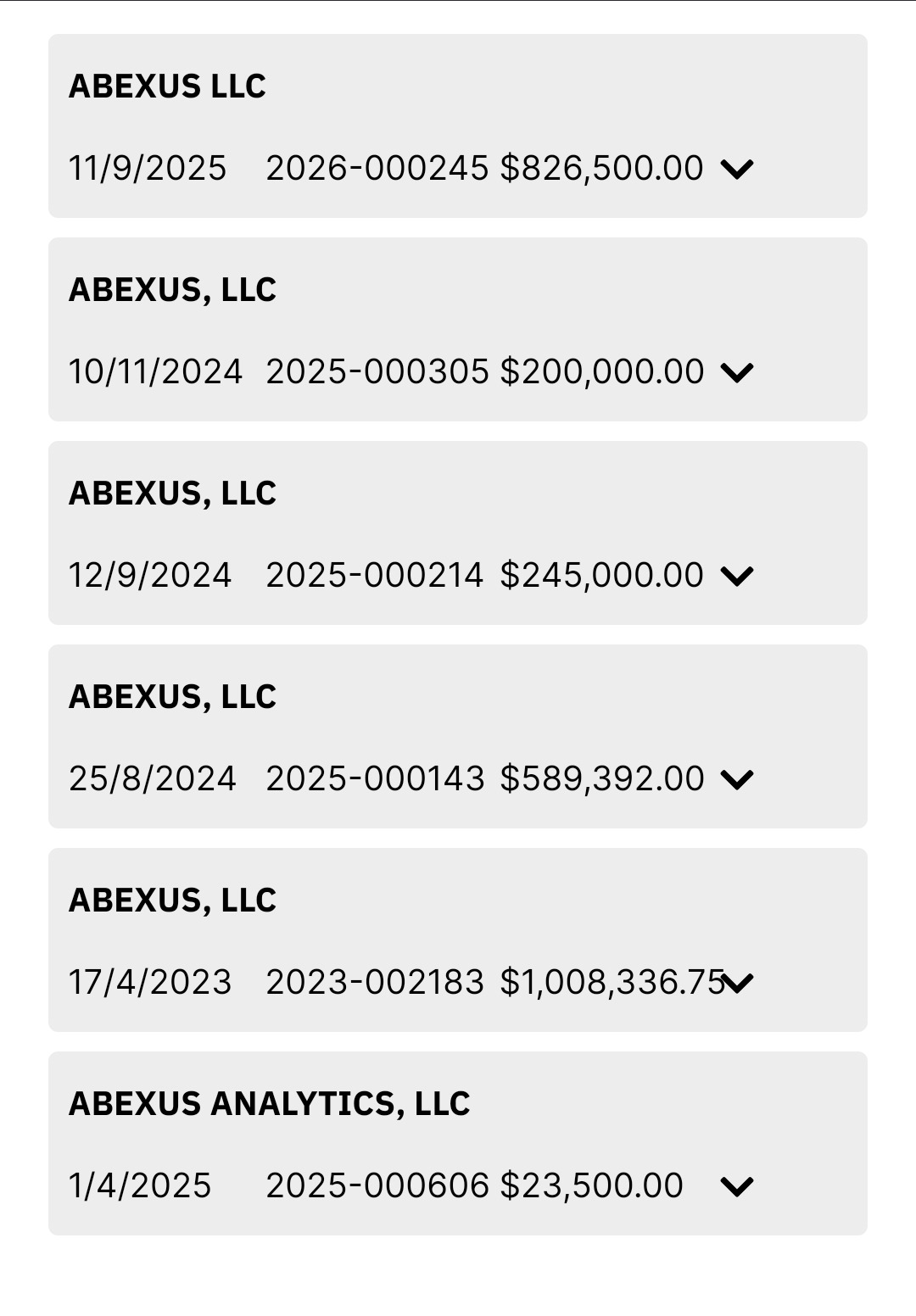
What happened to the contracts awarded to develop information and analysis systems, meant to strengthen the oversight of these and other benefits? Between 2023 and 2025, the DDEC granted Abexus LLC six contracts for a total of $2.9 million to provide related services, including, among others, the processing and evaluation of tax incentives, including the development of a database that would combine information from various sources to provide a "complete picture" of the incentives. However, the DDEC continues to resist releasing this data.
As the Puerto Rico No Se Vende coalition has documented, various incentives often combine and overlap. This allows certain beneficiaries to accumulate tax advantages far superior to what an ordinary resident would ever receive. Cases like the luxury real-estate project Esencia, illustrate how this model operates even in the face of broad, documented, and sustained community opposition. According to recent information received by the Planning Board, this residential and tourist project has accumulated public benefits and support equivalent to more than $1 billion.
There is a growing consensus that fiscal opacity facilitates tax evasion, wealth concentration, and the weakening of democracy. However, in Puerto Rico, the Government has opted to further protect corporate anonymity by weakening disclosure requirements and limiting accountability. In practice, the people finance these incentives, but cannot oversee them.
As members of the PR No Se Vende Coalition, we insist: good tax policies, or public policies of any kind, cannot be designed without accurate data, complete methodologies, and analysis focused on the public good, not on convenient blindness or private interests.
Issel Masses Ferrer is the founder and executive director of Sembrando Sentido.
Nicole Díaz González is a community lawyer and public policy analyst at Sembrando Sentido.