.png)
Journalists Analyze Coverage and Consequences of the Fiscal Control Board in Puerto Rico
9 Millones hosted a forum to discuss how journalists can improve their coverage of the Board’s socioeconomic impact on the country
Editor’s note: If you’d like to learn more about this topic, 9 Millones is hosting an event entitled “Ten Years After PROMESA: How to Inform your Community about Puerto Rico’s Fiscal Control Board”, which will take place online this Wednesday, June 17th, at 6.30 pm. To join, register here.
Ten years after the Fiscal Control Board was established, journalists and experts gathered on June 10 to reflect on how the media has covered the board and its impact on the country’s economic, social, and political life. Organized by the independent news network 9 Millones, the event “10 Years of Coverage After the Board: What’s Next?” was held at Lleras Gastrobar in Guaynabo.
As special guests, experts Indira Luciano Montalvo, director of the Economic Research Unit at the University of Puerto Rico (UPR) , and Raúl Santiago Bartolomei, a professor at the UPR, shared a brief presentation on a literature review to assess the socioeconomic impacts of the Board’s decisions.
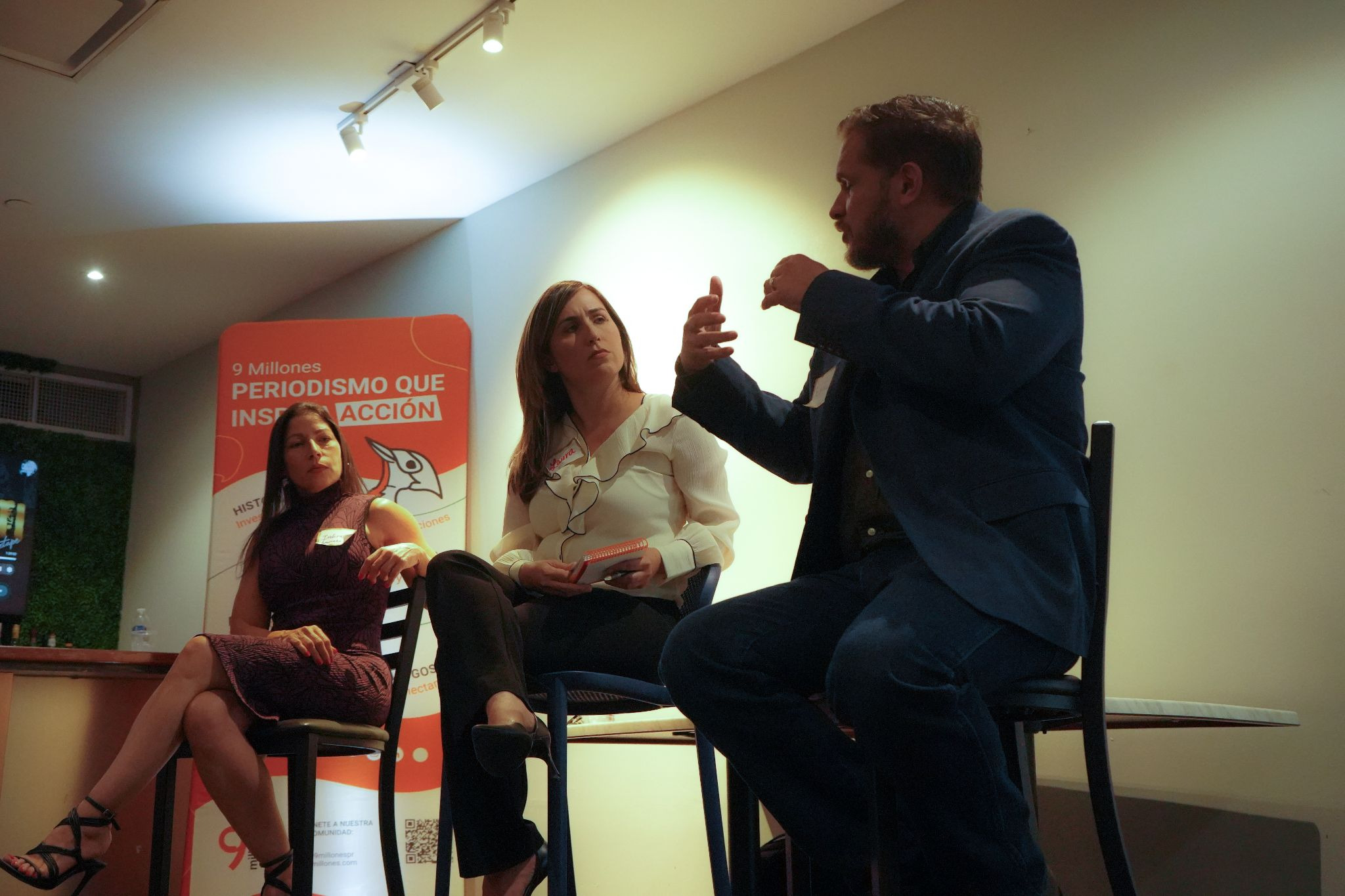
The analysis documents the Board’s key decisions, the current state of awareness regarding the impacts of these decisions, and comparative experiences with other fiscal adjustment programs and external oversight in the United States, Europe, and Latin America. Among the key points, the panelists noted that, in most of the 17 cases studied involving jurisdictions with experience in fiscal control, the measures resulted in increased poverty and inequality—an issue that should not be overlooked in coverage of this issue in Puerto Rico.
“In many cases, fiscal targets were met—either partially or in full—but… at a high socioeconomic cost in terms of inequality and the intensification of poverty; and when we look at the regions where this occurs, we can say, at the macro level, that there has been a weakness in the capacity to generate economic growth. There is fiscal stability, but the social dimension is compromised, as is the capacity for economic growth,” said Luciano Montalvo.
Following the presentation, the discussion provided a space for dialogue in which participants explored the role of the press and how journalists can improve their coverage of the Board’s socioeconomic impact on the country.
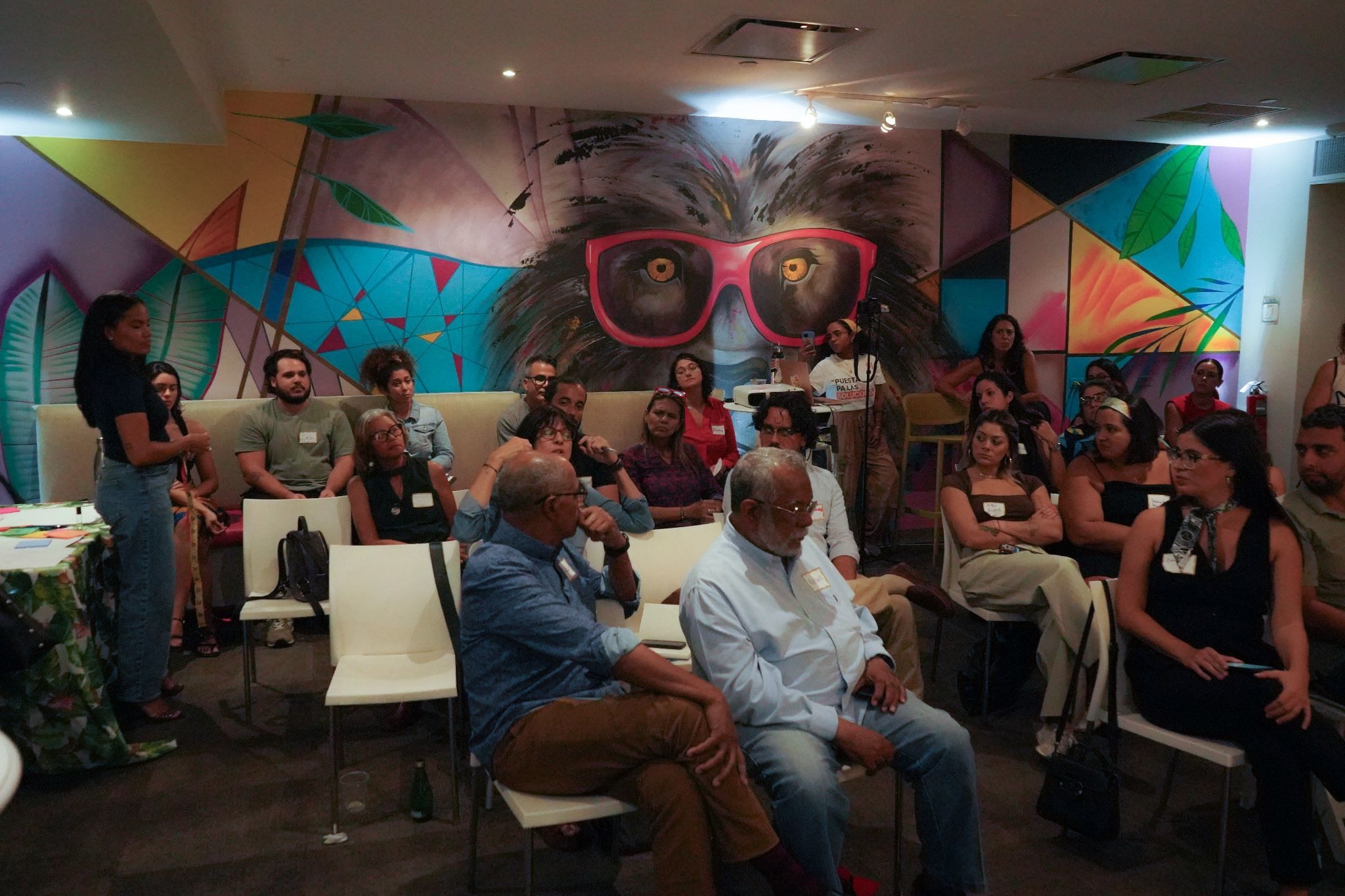
Adding to Luciano Montalvo’s findings, Hector Peña, a retired journalist and editor, noted that “many countries have experienced tremendous growth, and during that same period, a dramatic rise in poverty.”
“I come from a country that, over a four-year period in the Dominican Republic, had an average growth rate of 9%, and the socioeconomic impact—not just economic growth—was generating around 500,000 people living in poverty during that period. Analysis and coverage of the press must also give a voice to that other side,” he added.
Independent journalist Laura Pérez suggested looking at municipalities as a starting point for this analysis, emphasizing that, despite debates over the amount of municipalities and proposed cuts, they played a crucial role in the response to Hurricane Maria. “It’s a really interesting space for all of us to explore and tell stories. Journalists generally accept the idea that we have 78 municipalities, therefore, we need to reduce that number, but that prevents us from asking what the impact of those cuts is. We have a narrative there to explain to people. It’s not about being pro-municipality, but [we can tell stories] about the impact of austerity,” Pérez said.
Vanessa Colón Almenas, editor of the Center for Investigative Journalism (CPI), noted that the solution may lie in forging strategic alliances among the country’s various media outlets and that the possibility of encouraging journalists to specialize should be explored, thereby facilitating the development and coverage of complex issues, such as the power grid.
“If I have someone who specializes in electrical energy issues, then I need to work with another media outlet that doesn’t have that person or [with] someone who is developing that expertise. I’m not referring to a specific investigation, but rather to creating genuine, ongoing, solid, and consistent partnerships among different media outlets,” said Colón Almenas.
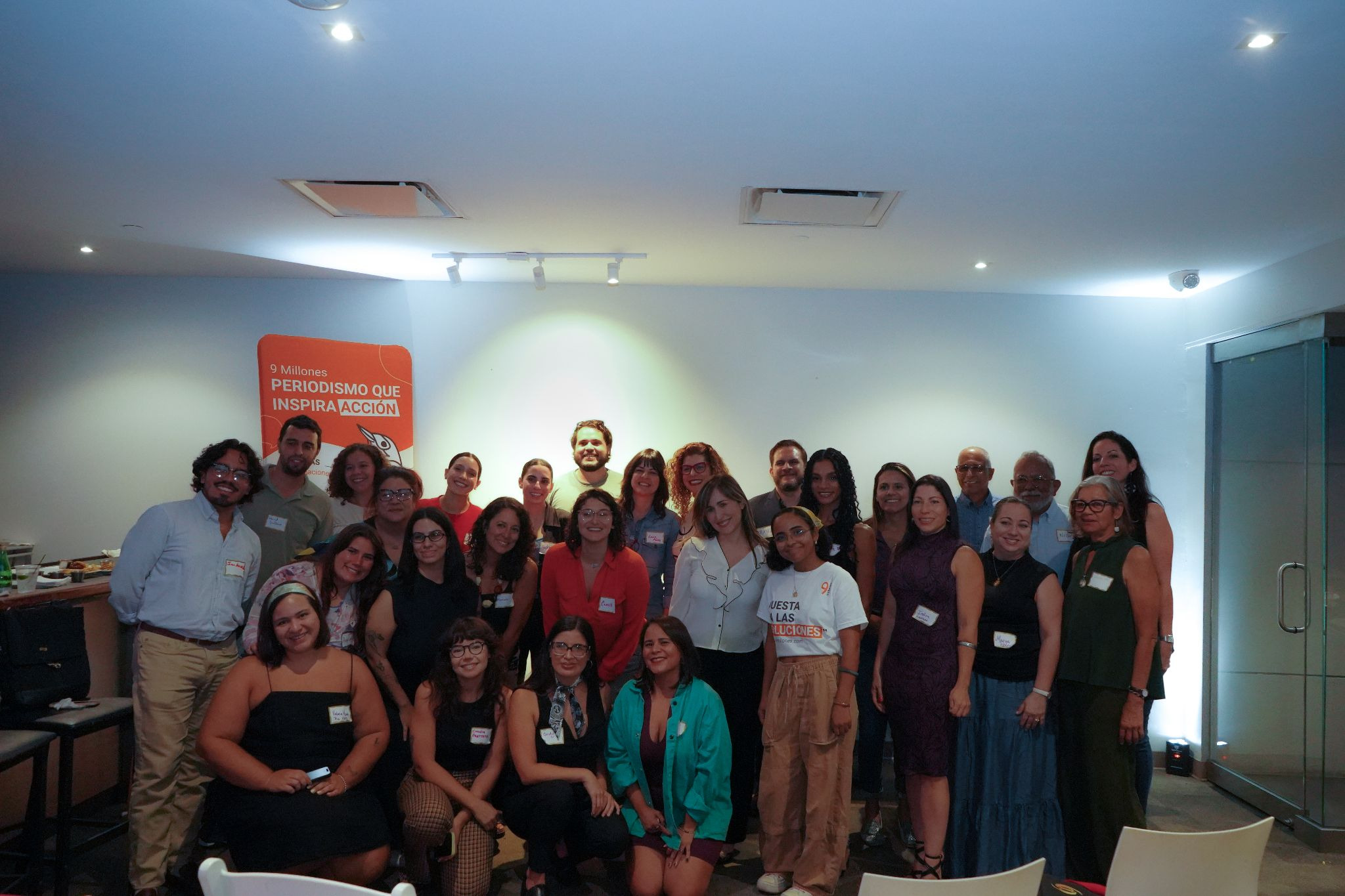
The forum highlighted that, ten years after the Board arrived, journalists still have the role of diving deeper into the stories that reveal how these decisions affect the daily lives of the country’s communities.
Claudia Guerrero is a journalist with experience in covering economic, political and social issues in Puerto Rico. She also manages social media and creates audiovisual content as part of media projects.