.jpg)
Palestinian Families Find a Second Home in Puerto Rico
Palestinians began arriving in Puerto Rico in the 1960s, according to historian Soraya Asad Sánchez
Editor's Note: This story was produced with the support of Altavoz Lab, an organization dedicated to promoting the work of community journalists.
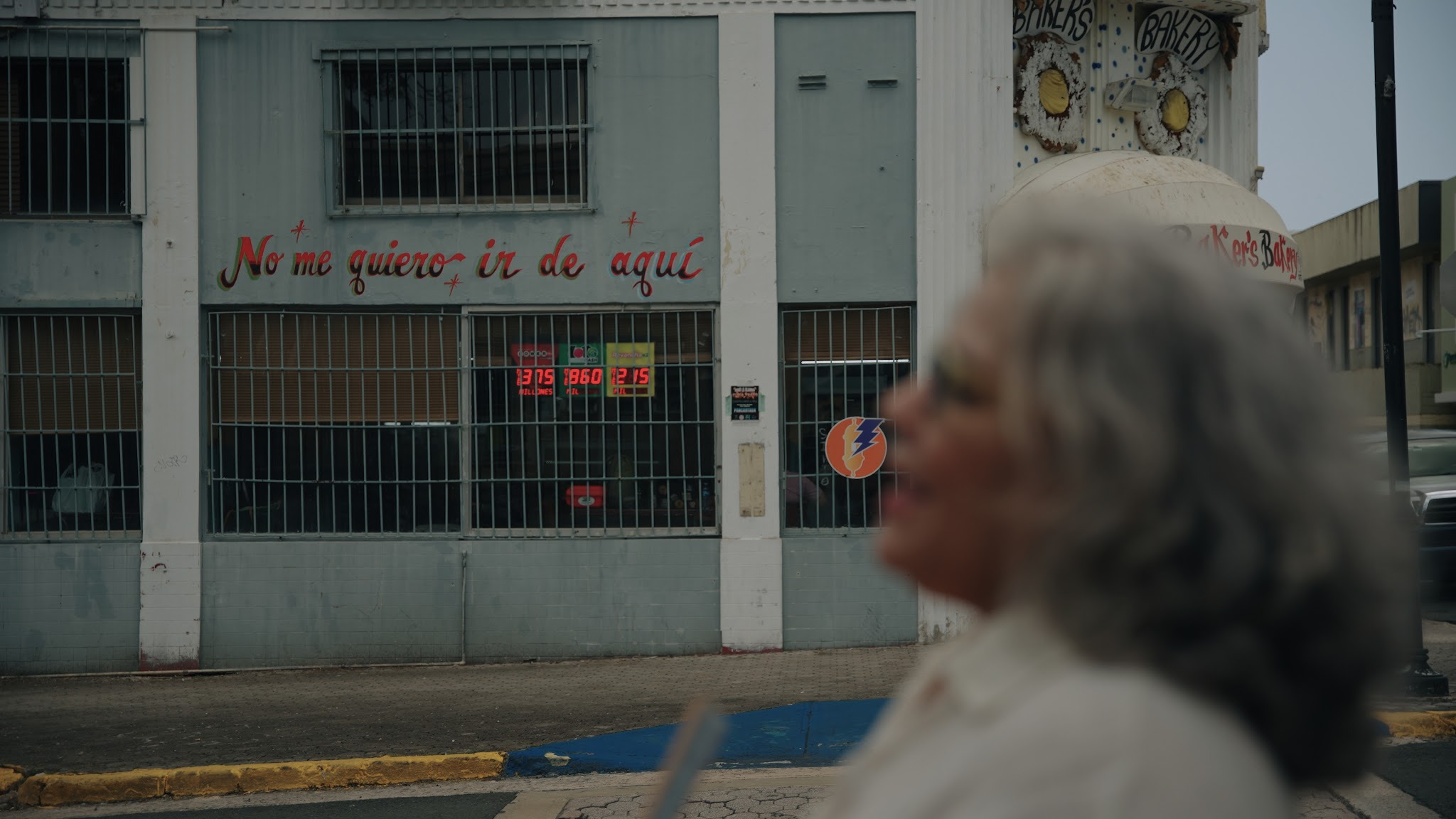
RÍO PIEDRAS— Ibrahim Muhamad Abufarah arrives at his bakery every day at five in the morning and typically stays until eleven at night. He has been following this routine and working as a business owner for 36 years now. It all started when he saw an abandoned building on Arzuaga Street and decided to buy it with his wife, María Dávila. The first thing he did was collect scrap wood to build the bakery’s frame. He also learned to weld so he could install window security bars. Baker’s Bakery—an institution in the Río Piedras community—serves as an oasis for many of its customers, who stop by to enjoy a snack and a cold drink.
Ibrahim is one of approximately 3,000 Palestinians who have made Puerto Rico their home, explained Soraya Asad Sánchez, a history professor who is the daughter of a Palestinian immigrant.

In the 1960s, many immigrants opened businesses in Río Piedras, which was the epicenter of commercial activity. In fact, Padre Colón Street—located near the Plaza del Mercado—was known as “Arab Street,” according to Asad Sánchez, a historian of the Palestinian community in Puerto Rico. Asad’s own father, Khamis Asad Mohamed Rabee Asad, opened his fabric and curtain store there, some of the wares which he imported from Saudi Arabia. The store remained open for 13 years, from 1983 to 1996.
Although the 10 Palestinian-owned businesses that were once located on the street have either moved or closed, there is still an Arab-owned fabric and perfume shop there, next to the mosque that Asad Mohamed Rabee Asad helped found in 1981.
“Their dream was to open their own store. Many of them succeeded and opened a store, using part of it as a residence until they could buy their own homes,” explained Asad Sánchez.

The first exodus of Palestinians from their country occurred in 1948 during the Arab–Israeli war. An estimated 750,000 Palestinians were expelled from their country during that time, in what is known as the Nakba (literally, “the catastrophe”).
“They took their keys with them because they were going to return to their homes, and so this is a symbol of that return. Many parents, from that Nakba, passed them on to their children, their children to their children, to their grandchildren, great-grandchildren… and today, well, there’s a whole generation of those descendants with their keys,” said Asad Sánchez.
Nineteen years later, more than 300,000 left following the Six-Day War, in an event known as the Naksa (“the setback”), in 1967. This exodus occurred because the State of Israel divided Palestine between the West Bank and Gaza. Since then, there has been a constant displacement of Palestinians, who have been forced to migrate in search of a better life or because the Israeli government removed them from their lands.

“Actually, I came to Puerto Rico because of the problems in my country… I had to find a way out because there was no way I could stay there. It would have meant certain death,” Ibrahim said.
He still remembers how Israeli soldiers destroyed the coffee shop where he worked. They also killed two of his college friends. After that, he knew he had to leave.
Palestinians like him began arriving in Puerto Rico in the 1960s. According to Professor Asad Sánchez, most came from various South American countries—such as Brazil, Colombia, and Venezuela—as well as other Caribbean nations like the Dominican Republic. Many settled as street vendors, selling fabrics, rugs or other goods from town to town. That’s what his father, Asad Mohamed Rabee Asad, did after arriving in Puerto Rico following a stint in Peru.
“He received a letter from his cousin who lived in a country that was very good, where the people were very kind, telling him to go to New York and then from there to Puerto Rico,” she recounted. Once settled in Puerto Rico, he met Soraya’s mother, Rosa María Sánchez Torres, whom he married and with whom he had three daughters.
Both Asad Sánchez and Ibrahim’s daughter, Natalia Ibrahim Abufarah Dávila, see many similarities between the two lands that run in their blood. Both are countries controlled by a foreign government that imposed itself without a process of self-determination, they explain. In recent years, Puerto Rico and Palestine have seen a decline in the quality of life for their inhabitants.
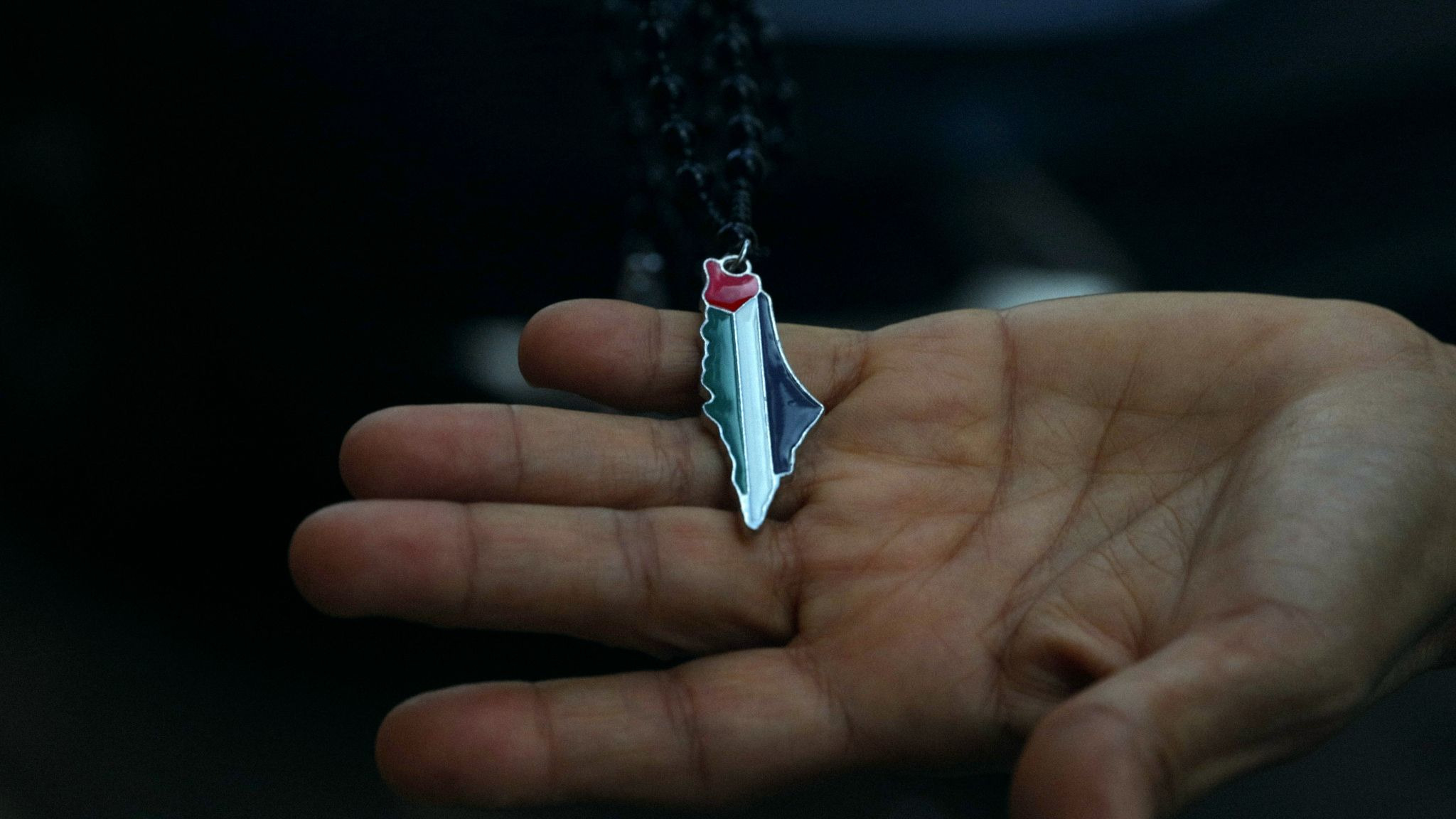
Since October 7, 2023, more than 72,000 Palestinians have been killed at the hands of the Israeli army, continuing a genocide that has been ongoing for decades since the Nakba. The Asad family lost a nephew in the West Bank after Israeli settlers invaded his farm and tried to drive them out by firing at them. In 2023, they had already lost another nephew when settlers set fire to the village where he lived.
“As long as there is an occupation, there will be no peace,” said Asad Sánchez.
Meanwhile, the Abufarah Dávila family has lost relatives due to a lack of access to medicine and medical care.
Ibrahim thought he had found a place in Puerto Rico from which he would never again be displaced. However, in Río Piedras, the threat of being displaced due to gentrification also looms large.
“To many outsiders, it’s a business, but it’s more than just a business. For 36 years, we’ve been working together with the community to create a place for people to come together and share ideas. Giving that up is like abandoning those principles, that upbringing that made me who I am—and my family, too,” said Abufarah Dávila.
“That’s what makes me fight three, four, five, six times harder,” she added.
These four people and many others are part of the Palestinian community in Puerto Rico, which has been documented in “One Land: The Palestinian Community in Puerto Rico.”
Carlos Berríos Polanco is a freelance journalist who focuses on environmental issues, immigration, and security.
Laura M. Quintero contributed to the editing.