[OPINION] Between Anger and Hope: News that Defends Puerto Rican Autonomy
9 Millones presents its values and promotes its “Six Years of Journalistic Sovereignty” campaign.
Our love for Puerto Rico sometimes weighs heavily on us. Just think back to the times when you—or a family member or friend—have been furious about the living conditions in this country. All the “colorful” phrases that have been thrown around, or the mothers unfairly cursed at, because of power outages, voltage fluctuations, or water shortages!
One example is enough to illustrate this point. Allow me to tell you about the day I landed in San Juan after a short vacation abroad. On Thursday, February 5, I arrived at a deserted airport with ceiling panels covered in mold. “Where did those $300 million, that the privatization company Aerostar was supposed to invest, go to?” I thought. It didn’t take long for the “bad news” to catch up with me, and for me to feel the anger, frustration, and even helplessness of those around me. That same week, Sheila Sanabria, a resident of Vieques, died of a heart attack after waiting for hours for the ferry (another privatized service) to take her home . On social media, friends and acquaintances expressed their grief over the decision made by Superior Court Judge Ángel Llavona, who let Robert Viqueira’s murder go unpunished. In my own neighborhood, I could hear the constant hum of my neighbor’s generator; he had disconnected from the power grid because he couldn’t afford to pay or contest a bill for thousands of dollars from LUMA, another private company.
The atmosphere was tense, and I sensed it almost as soon as I set foot on Puerto Rican soil.
.jpg)
In the first column we published in 9 Millones, writer Ada Torres Toro wrote about the concept of “political and collective trauma.” Quoting her: “In Puerto Rico, where dramatic changes have unfolded in rapid succession over just over half a decade, the symptoms of that collective trauma are felt on a daily basis.”
I wonder how this collective trauma affects our state of mind without us even realizing it. Recently, I learned about the cognitive triad of depression, a model that explains how this disorder affects thinking. It consists of a negative view of oneself, one’s environment, and the future. When this triangle is complete, the person is plunged into a state of hopelessness that paralyzes them.
In Pedagogy of Hope, educator and philosopher Paulo Freire said that, “as a program, hopelessness immobilizes us and causes us to succumb to fatalism, in which it is impossible to muster the strength necessary for the creative transformation of the world.”
When the media fuels hopelessness, it promotes a kind of paralysis. At 9 Millones, we are committed to making “journalism that inspires action” because, even as we recognize that these systems aren’t working, we know there are people and organizations proposing solutions and taking action. These are the entities that defend autonomy. And we, as a media outlet, must defend it as well.
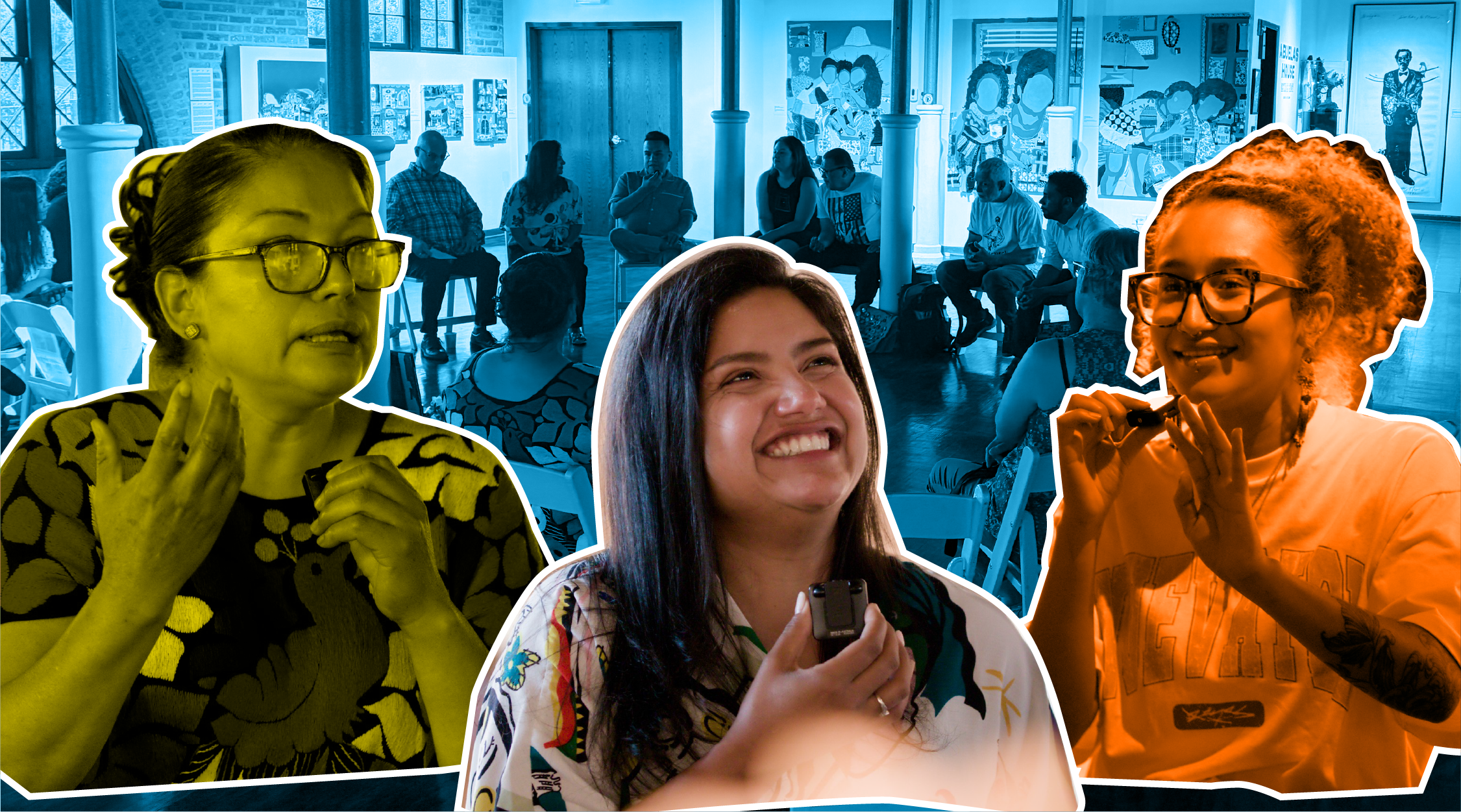
That’s why, at the end of last year, we chose “Defending Autonomy” as one of the values we want to guide our work. We believe that Puerto Ricans deserve to tell our own stories, solve our own problems, and make decisions about our territories, communities, and bodies. We’re proud to connect—through stories, dialogues, workshops, and memory circles—with agents of change. We believe not only that “This is how we stay” in the place we call home, but also how we create collective power to make progress toward equity.
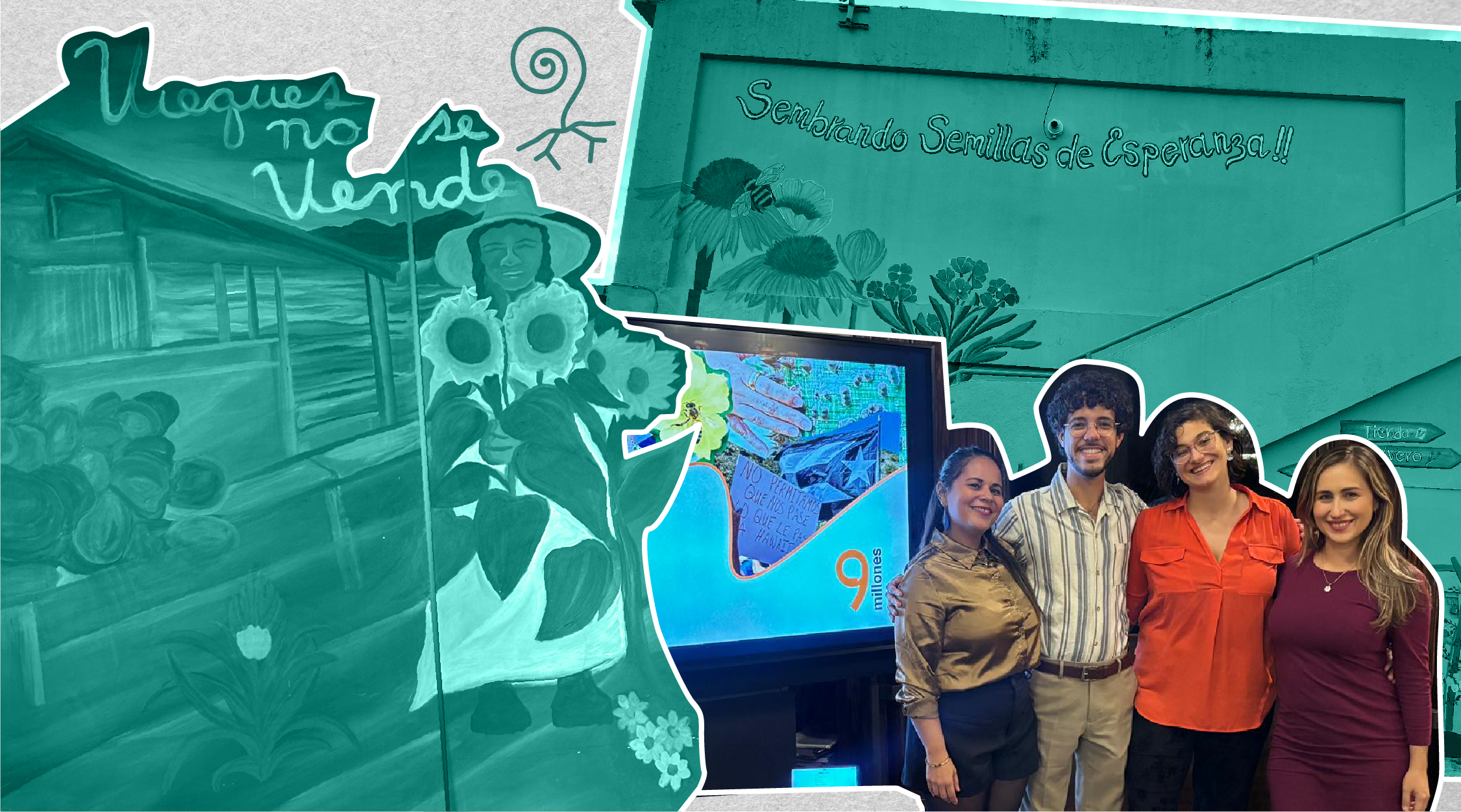
Our news defends peoples’ autonomy by amplifying the voices of Puerto Rican communities taking action and sharing the lessons learned from solutions to address social issues. We like to think that our stories and workshops provide an opportunity for Puerto Ricans around the world to take control of their narratives. For example, thanks to our coverage, Vieques en Rescate was able to raise awareness of its social justice work and raise $100,000 to support cancer patients in Vieques, according to its president, Hilda Bonilla. “The video became our presentation card,” she said.
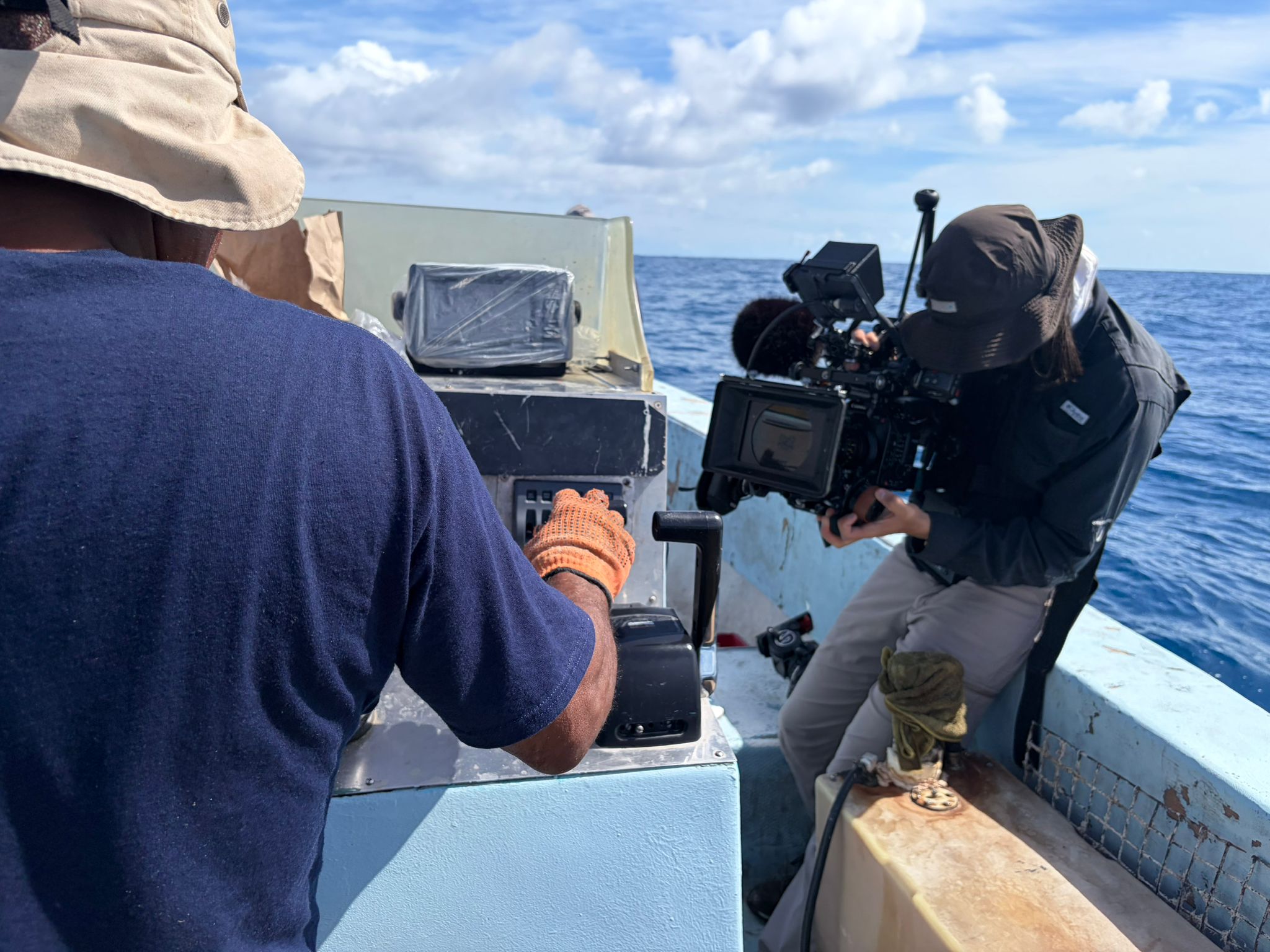
More recently, fishermen from Culebra used the written story—which we published in partnership with Grist—to guide a meeting with officials from the Department of Agriculture, where they discussed how to strengthen commercial fishing. This is the kind of impact we want to have. As a media outlet with about six years of experience, there may still be much we need to figure out, but at least we know where we want to be: alongside the people who defend their autonomy.
Would you consider joining our membership program? Click here to become one of our first 100 members.
Editor’s Note: This column is part of a series in which 9 Millones presents its values and promotes its “Six Years of Journalistic Sovereignty” fundraising campaign. Support our cause here.
Laura M. Quintero is the editor-in-chief of 9 Millones and a journalist with more than 14 years of experience.