.jpg)
How the Chinese community has made their home in Puerto Rico
As part of the micro-documentary series “Una Misma Tierra”, 9 Millones interviewed four Chinese descendants who migrated to Puerto Rico
This story was produced with the support of Altavoz Lab, an organization dedicated to promoting the work of community journalists.
On a hot March afternoon, one of the first stops for a Boricua family visiting Puerto Rico from the United States was an ice cream shop in Guayama. After choosing between coconut, corn, or acerola (Caribbean cherry), they not only satisfied a craving but also enjoyed ice cream with more than a hundred years of history and migration.
Rex Cream, is one of the best-known Chinese ice cream shops in Puerto Rico. Violeta Louk and her husband, Alfredo Louk, opened the business in 1964. They settled in Guayama after leaving Cuba during the communist revolution. Their family owned an ice cream parlor there, so they had experience swirling and creating creamy delights with tropical fruits.
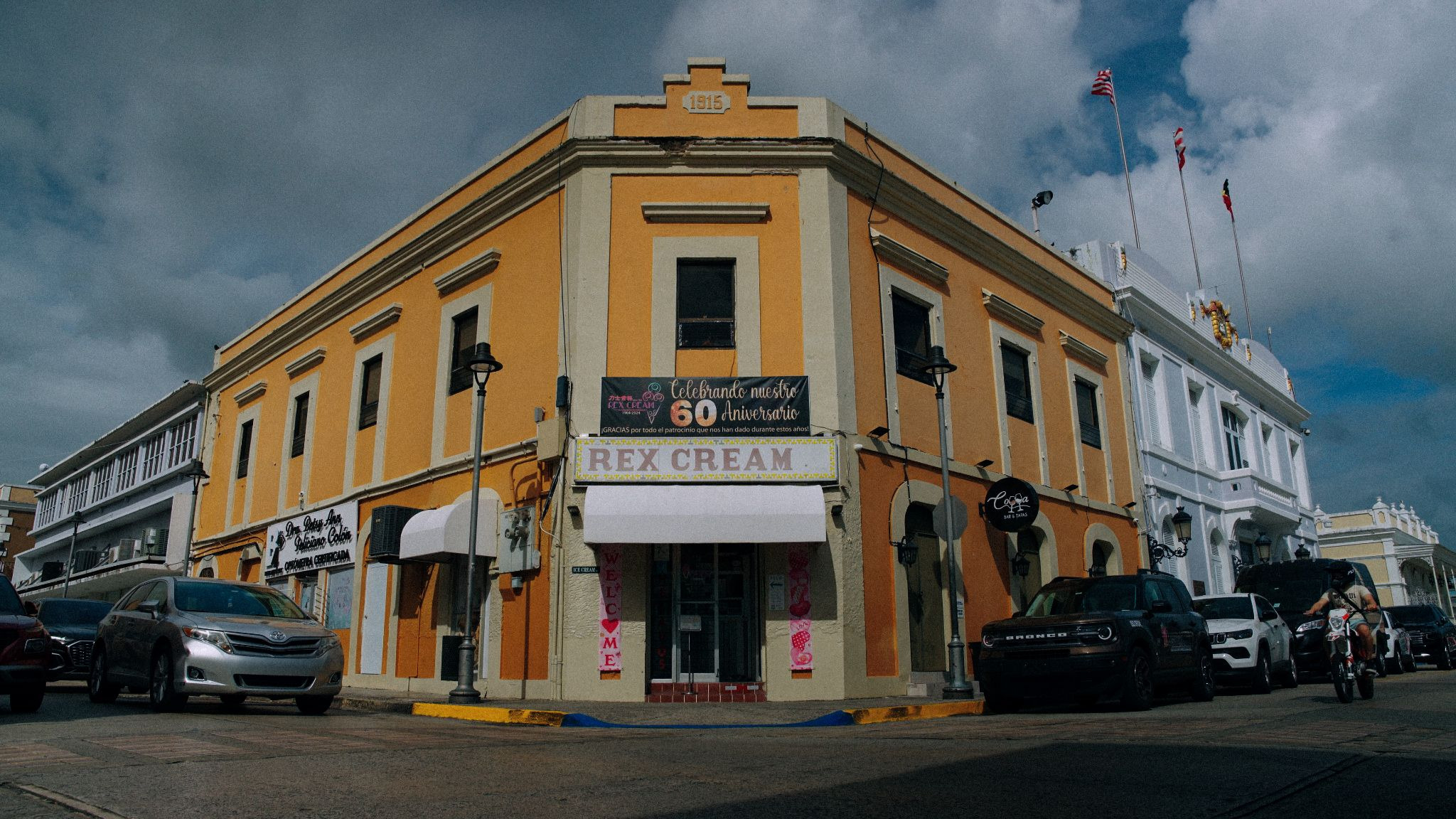
“I have been living in Puerto Rico since ‘63. We are talking about 63 years of my life. I feel Puerto Rican. I feel Boricua; more Boricua than the coquí,” said Violeta, for whom Puerto Rico is home and the place where she raised her family.
Violeta is one of between 10,000 to 12,000 Chinese immigrants in the archipelago, according to a survey conducted by Professor José Lee Borges.
“We have integrated, as today I have Puerto Rican sons-in-law. I have Puerto Rican daughters-in-law,” confirmed the owner of Rex Cream.
Violeta's story is similar to that of thousands of Chinese immigrants who have integrated into Puerto Rican society over the past 160 years. They have raised their families, opened businesses, and contributed to Puerto Rican culture.
As part of the micro-documentary series “Una Misma Tierra”, 9 Millones documented the history of the Chinese in Puerto Rico: the different waves of migration, where they settled, and how they have contributed to Puerto Rican culture, with the purpose of capturing and honoring the stories of migrant communities in Puerto Rico, recognizing them as an integral part of our population in all its diversity.
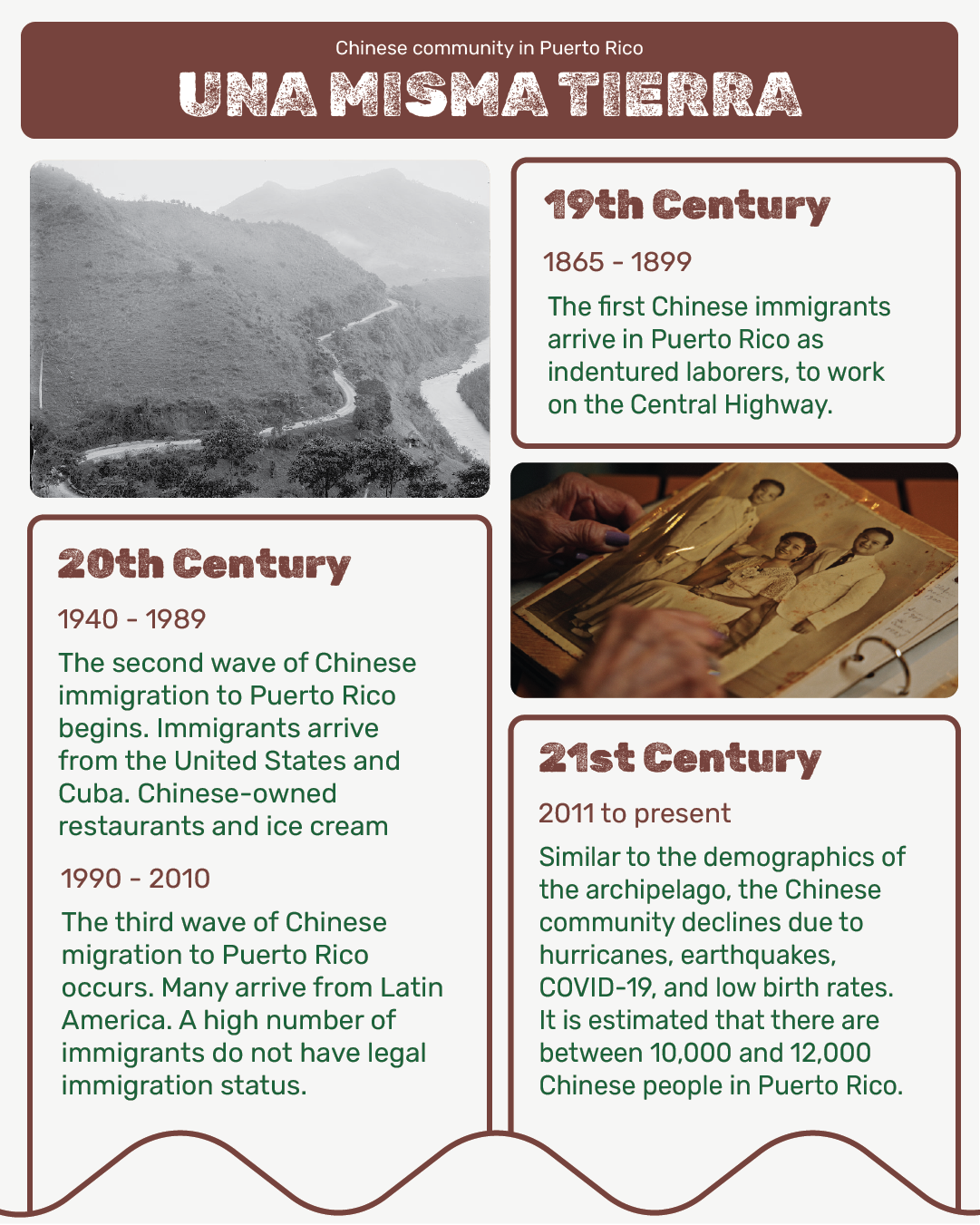
According to Lee Borges, the first migratory wave consisted mainly of Chinese convicts who arrived in Puerto Rico at the end of the 19th century to work on the construction of the central highway, in the vicinity of the Cayey mountain range, These circumstances differ slightly from the conditions under which they arrived in other Caribbean islands and Latin America, where they were indentured laborers facing cruel working conditions under exploitative contracts.
When the Chinese convicts came to Puerto Rico, their given names were changed to a Spanish-sounding names, while the surname indicated how many times the same name had been used. Lee Borges explains that, in Puerto Rico’s historical archives, he even saw as many as Juan Sexto (John Sixth). Meanwhile, others were given racist names like “Aií” or “Afo”, according to his book “Los Chinos en Puerto Rico”.
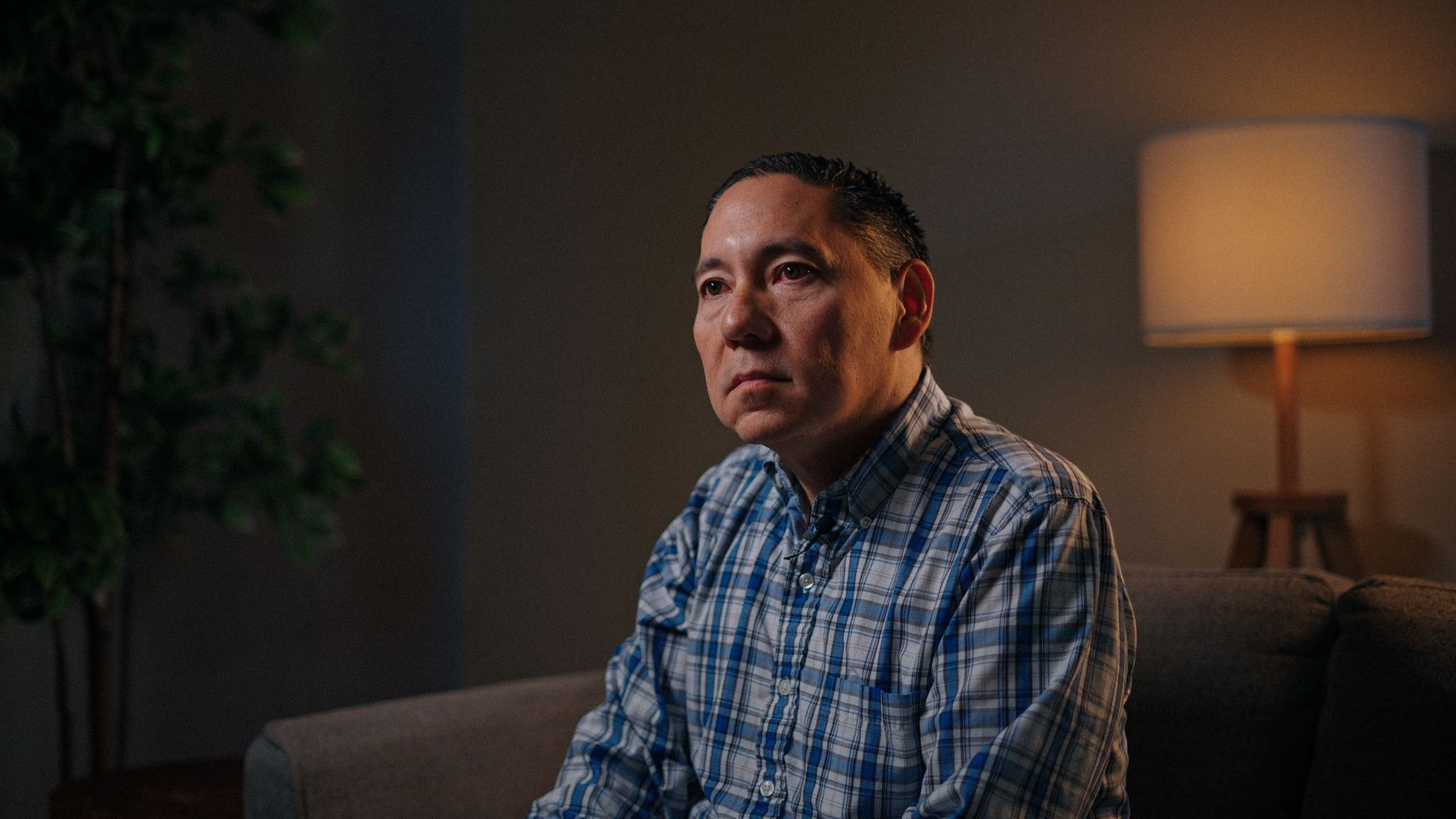
Violeta, like Lee Borges' dad, is part of the second Chinese migratory wave. Some left Cuba for places like Spain or the United States, and eventually arrived in Puerto Rico as refugees. Violeta calls herself a “Cuchirrican” (an acronym for Cuban-Chinese-Puerto Rican) to honor her family's movement across the world. At the same time, in the 1960s, the Puerto Rico Tourism Company began promoting the archipelago as a tourist destination, which led many Chinese people to come to Puerto Rico. The Chinese restaurants, opened by many of these immigrants or their children, have become a culinary favorite of Puerto Ricans.
“Chinese restaurants are also a form of resistance. When you look at them, they are everywhere. It might be an exclusive sector of Puerto Rico and they are there, but you go to a sector that is not so exclusive and they also set up a Chinese restaurant there. I think it is a way to also demonstrate that resistance... As many people would say today: ‘We are here and we are not leaving’,” said Lee Borges, whose father operated a Chinese restaurant in Coamo for a time.
In fact, the third wave of Chinese immigration to Puerto Rico began when Lee was working in a Chinese restaurant with his father. During that time, many arrived without regularized immigration status, with the purpose of obtaining political asylum or having a better life. According to data compiled by Lee Borges in his book “Los Chinos en Puerto Rico,” by 2011, this type of immigration—without a visa or permanent residence—had already plummeted.
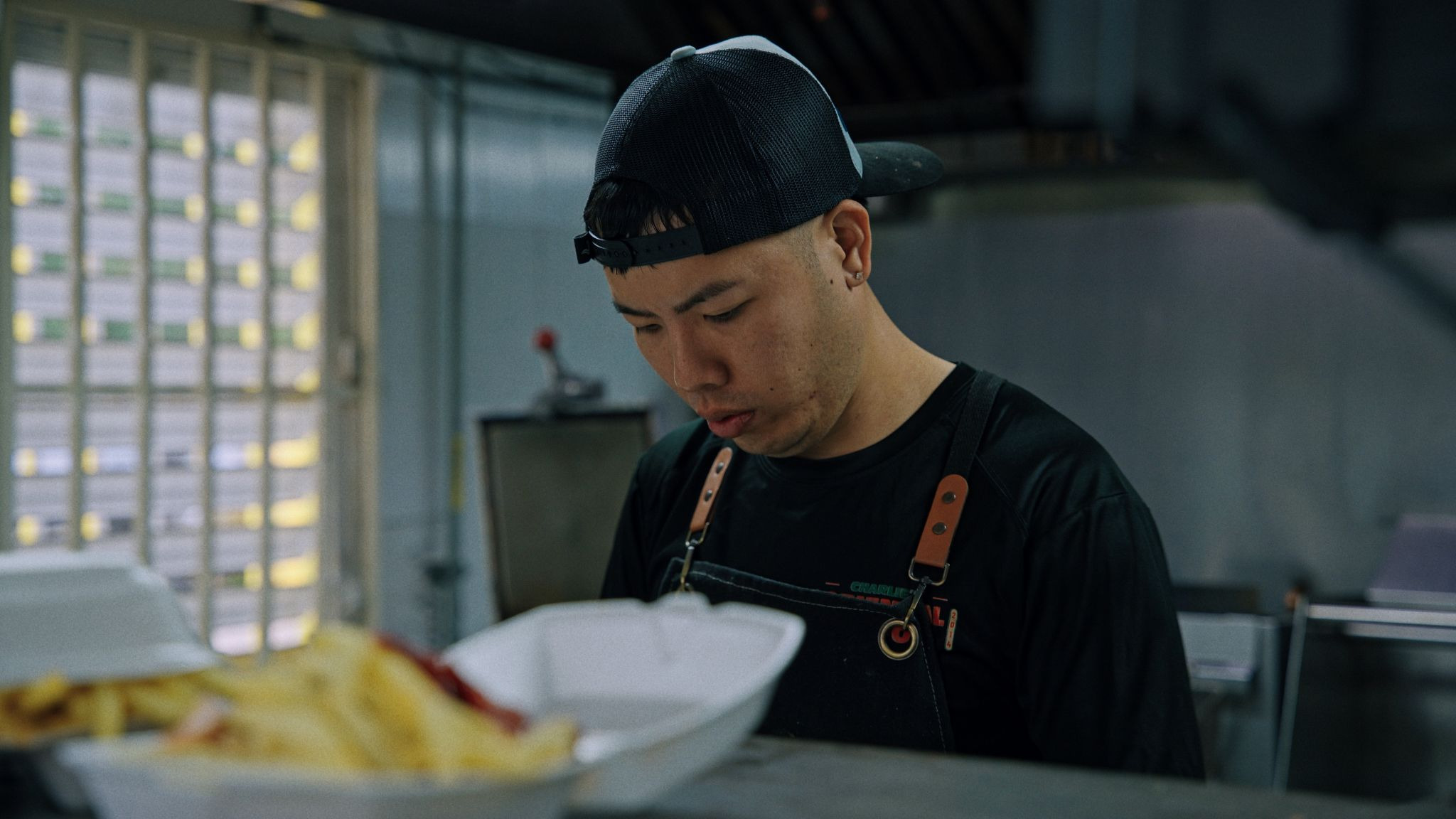
Subsequently, they continued to immigrate to Puerto Rico directly from China or other Caribbean countries. Charlie Song, owner of Charlie’s Oriental Flavor in Toa Baja, has been working in Chinese restaurants since he arrived in Puerto Rico in 2014. Song was raised in the Dominican Republic, which is why he considers himself a “ChinoDomiBori”.
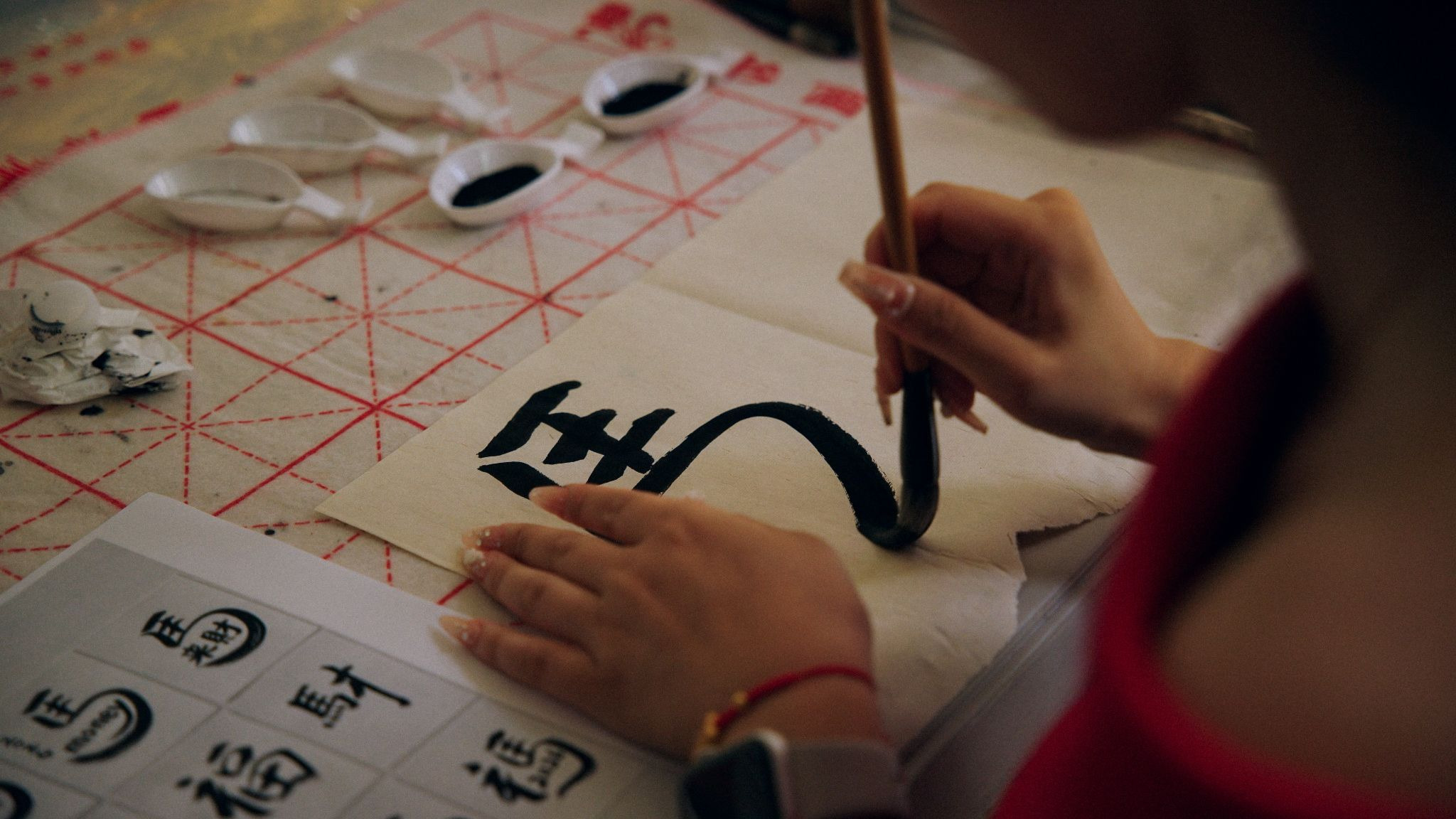
Meanwhile, the Mandarin professor at the University of Puerto Rico, Meili Deng, arrived in 2010. Since then, she has called Puerto Rico her home. She even married a Puerto Rican. In addition to raising her daughter with a mix of Chinese and Boricua culture, she celebrates her culture through the annual celebration of the Chinese New Year, which 9 Millones documented.
These four individuals, along with many others, are part of the Chinese community in Puerto Rico, which has been documented in “Una Misma Tierra: The Chinese Community in Puerto Rico”.
Carlos Berríos Polanco is a freelance journalist who focuses on environmental issues, immigration, and security.
Laura M. Quintero assisted with editing; Luis Alfaro and Camille Padilla Dalmau assisted with copyediting.