.png)
[OPINION] Gold and Exploitation: The Vicious Cycle That Leaves Us Homeless in Puerto Rico
The author draws a parallel between the policy of granting tax exemptions to foreign investors and the gold extraction that took place in the 16th century by the Spanish colonizers
“When Colón reached its shores
he exclaimed in admiration:
‘Oh! Oh! Oh!
This is the beautiful land I'm looking for.’”
— Manuel Fernández Juncos
(La Borinqueña, Puerto Rico’s official hymn)
Since the 16th century, Puerto Rico's economy has been based on the extraction of wealth. Under Governor Juan Ponce de León, the Spanish government exploited and enslaved the indigenous people to work in the gold mines. History has documented that, during that period, the “equivalent of almost 700,000 pesos” was sent to the Spanish peninsula, according to Isabel Rábano, a researcher at the Geological and Mining Institute of Spain, who studied the “Mining Report on the Island of Puerto Rico” (1879).
Although mining was short-lived and failed in Puerto Rico, the extractive economy model continues centuries later: just as gold was taken from our rivers by the Spanish colonists, today, Puerto Rico’s youth are being robbed of wealth and a future within the archipelago.
The working class lacks access to dignified housing, healthcare, efficient public transportation, quality education, reliable electricity, and a host of other essential services; but the beneficiaries of the former Act 22 of 2012, now part of Act 60 of 2019, appear to have the financial means to purchase even the most luxurious residences.
At the P.R. No Se Vende coalition, we have taken on the task of investigating and exposing the schemes behind these vulture-investors. I use this term because, beyond simply investing, they are intent on accumulating properties to an excessive degree, without any sense of remorse or awareness of the repercussions this has on the community. Some examples are how, under Act 60 and Act 74 of 2010 (for the Tourism Development of Puerto Rico), foreign investors can acquire properties with exemptions of up to 100% in municipal and property taxes to develop tourism or residential projects “of economic interest”. These projects are incompatible with retaining young people in Puerto Rico, because the more property is hoarded, the less access we have to decent housing and quality of life standards.
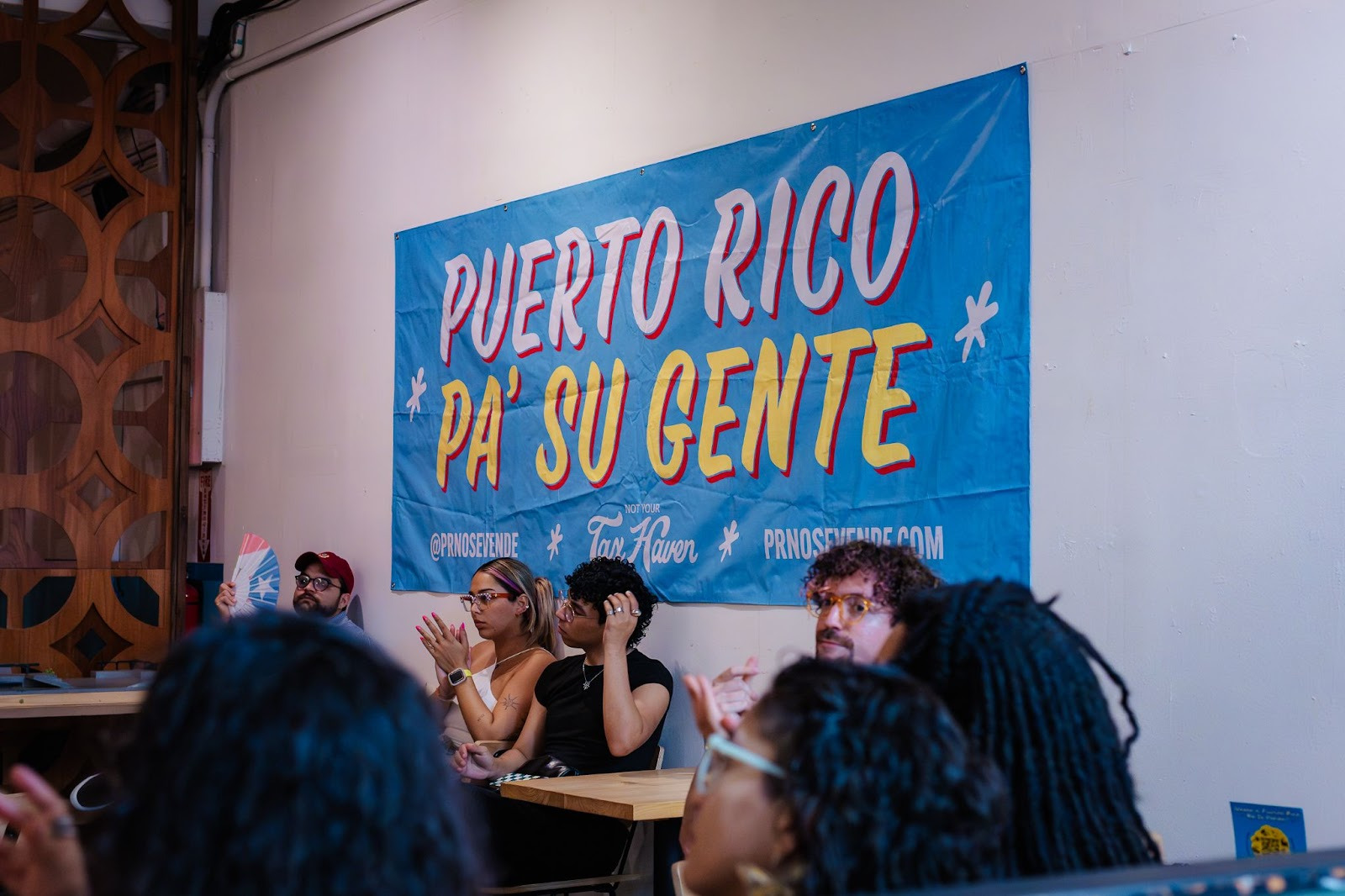
It is no secret to anyone that Puerto Rico is flooded with short-term rentals, from the deep mountains to the coast. The vast majority of these rentals are not intended for the thousands of young professionals between the ages of 20 and 40, who long for a piece of land to remain here.
We were told to study, to better ourselves; to earn a university degree, and we did. We were told to have good credit and a stable job, and we did! The reality is that we barely have enough for the basic groceries at the supermarket. It is not a lack of effort, but a market distortion caused by tax incentives.
The Government of Puerto Rico subsidizes the luxuries of those who buy out our country. The best examples are those of Condado, Miramar, Santurce, and Ocean Park, all San Juan neighborhoods, where property prices have skyrocketed to unsustainable levels. In fact, one of the luxury tourism projects these investors are bringing to the area is called “Oro Residences,” with apartment prices ranging from $700,000 to $2 million.
While you say goodbye to your cousin or grandmother at the airport, the government touts these projects as “urban revitalization” and grants them generous tax breaks. It’s a vicious cycle: gold and luxury are extracted at the expense of our exploitation and displacement.
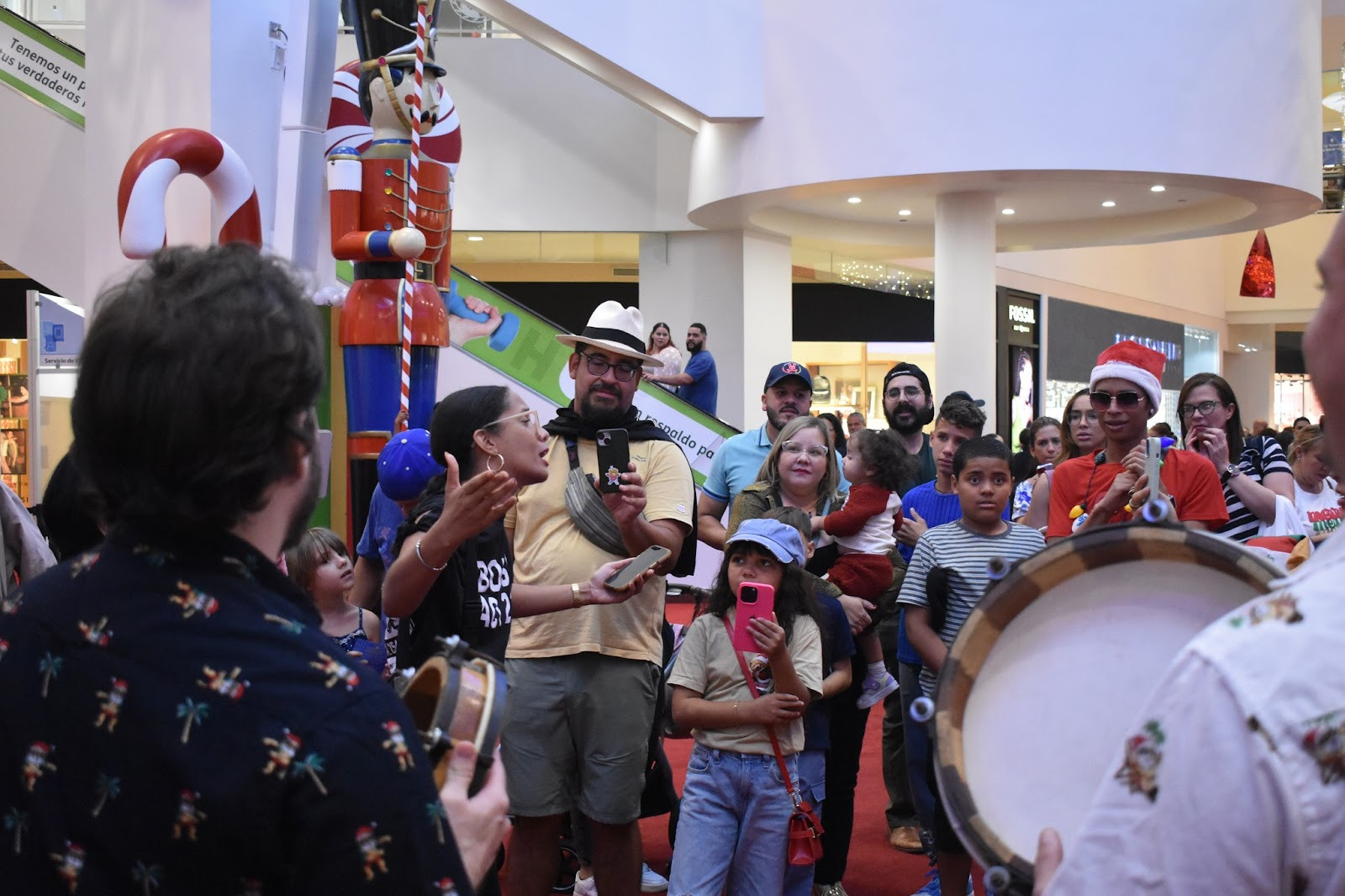
That is why, from our coalition, we reiterate that #PRNoSeVende (PR is Not For Sale); that we do not need more incentives for millionaires; and that we will remain defending policies that guarantee us dignified housing and life. We stand firm, with the certainty that our best guanín (a jewel made of gold, copper, and silver, which the caciques wore around their neck as a medal) is our right to stay in a Puerto Rico full of promise for both the present and the future.
Loidymar Duprey González is a community organizer and Afro-feminist, who is part of the Puerto Rico No Se Vende Coalition.