OPINION: The Giveaway to Millionaires That Is Costing Us More Each Year
The Puerto Rico No Se Vende coalition educates on the impact of Act 22's tax decrees
Access to public information has recently been sparking debate in Puerto Rico. Over the last three years, our coalition has confirmed the importance of this right, in order to study the impact of the tax incentives for foreigners who move to Puerto Rico. Puerto Rico No Se Vende stands as an alliance of community and diaspora organizations fighting tax incentives that drive the displacement of communities across the archipelago.
The Act to Incentivize the Transfer of Individual Investors to Puerto Rico (Act 22) was passed in 2012, then repealed and integrated into the Incentives Code (Law 60 of 2019). Act 22 beneficiaries enjoy 100% exemptions on interest, dividends, and capital gains, requiring no specific investment amount or job creation. Our coalition's work focuses on studying the social and economic impact as well was the supposed benefits of Act 22.
The data is clear: the government loses much more than it gains from these incentives. The Government estimates revenue losses surpassing $18 billion between 2024 and 2030, solely under Act 22, according to the latest Tax Expenditure Report.
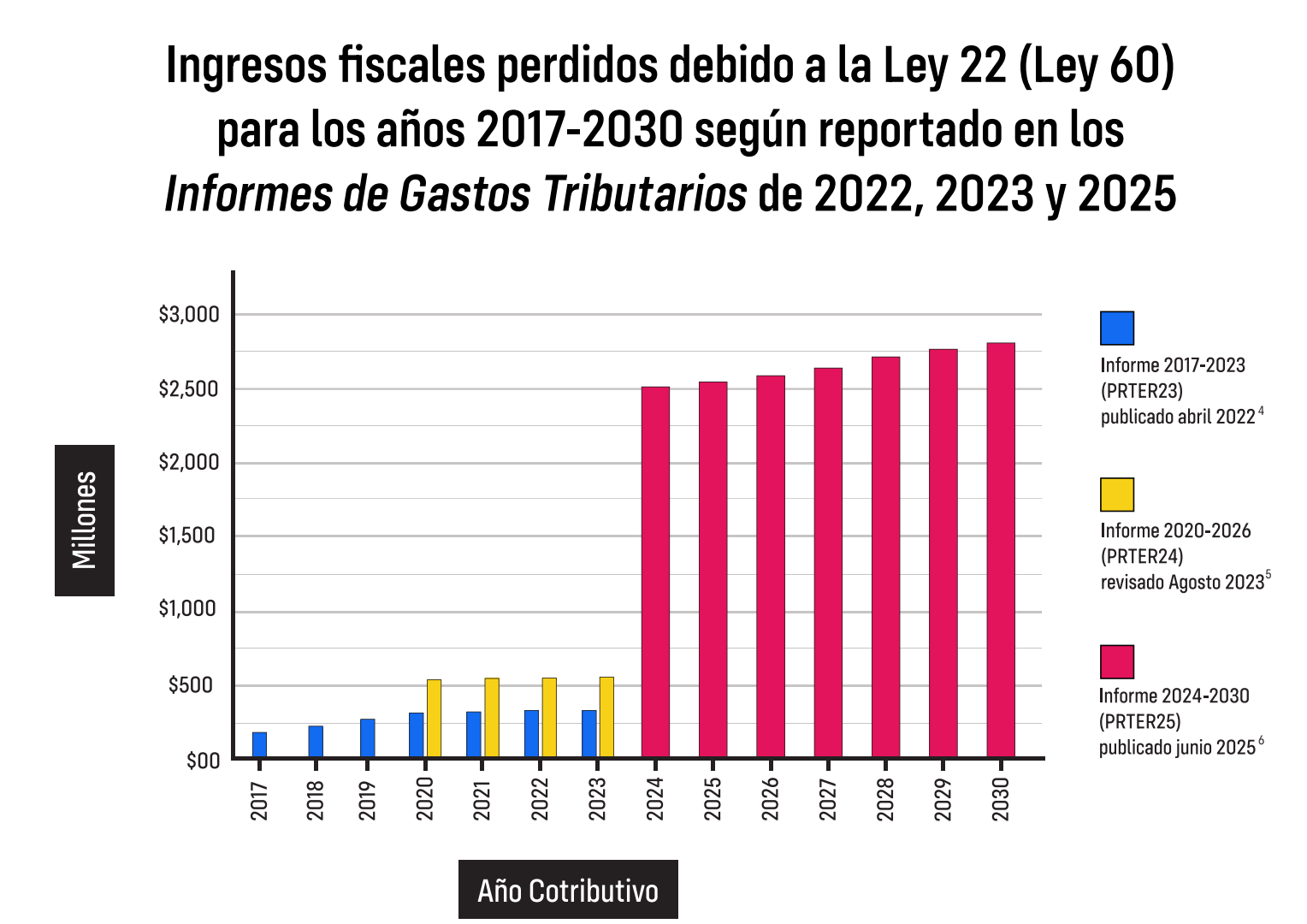
The Tax Expenditure Report is an official document from the Department of the Treasury that details the fiscal cost of exemptions, deductions, and tax credits granted by the Government. This latest figure quadruples the previous estimate of $4.4 billion projected for the 2020-2026 period.
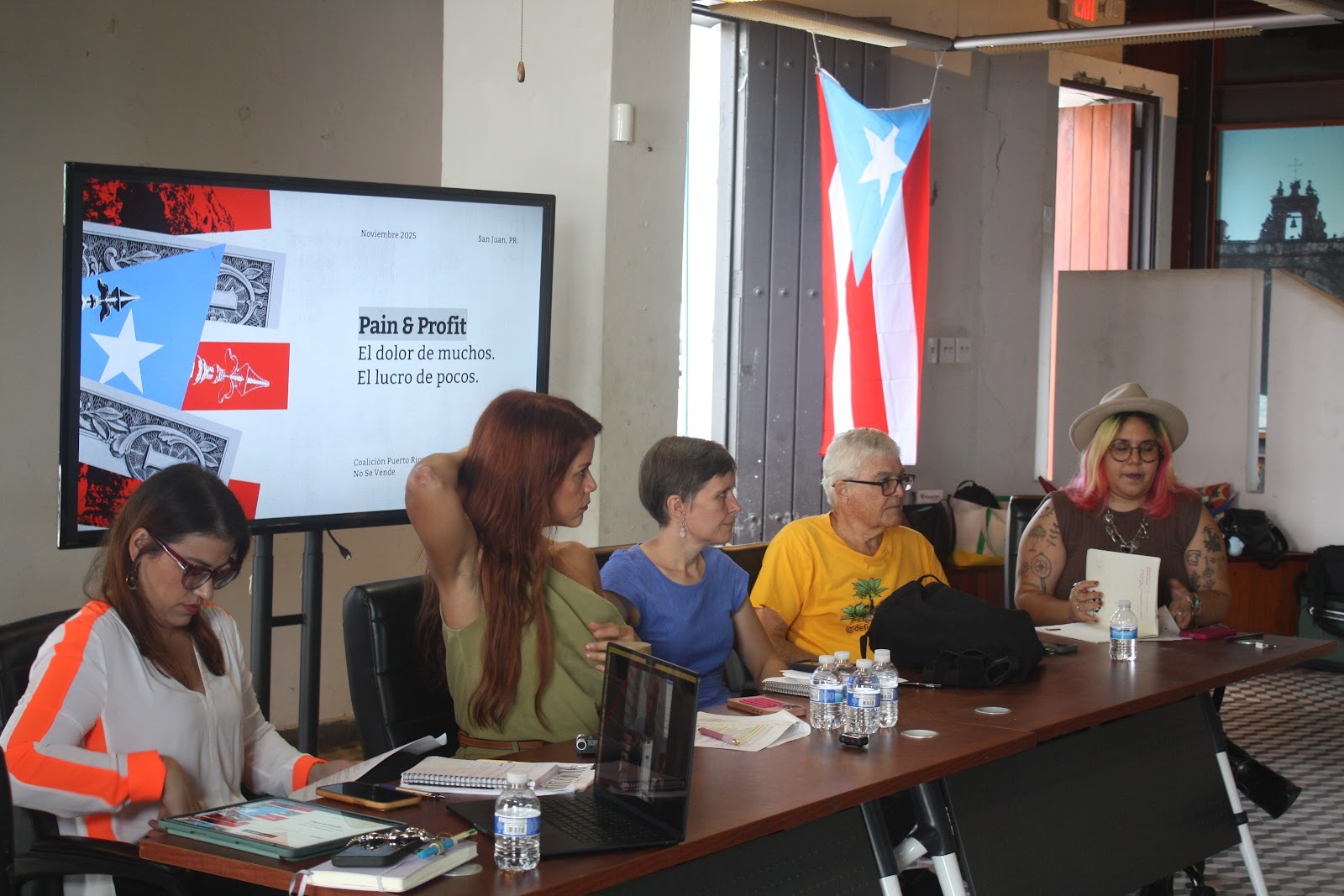
A few weeks ago, our coalition published our most recent report on certain Law 60 incentives, including Act 22. Titled Pain and Profit: Investors with Multiple Tax Exemptions that Impoverish Puerto Rico, our investigation demonstrates how Act 22 beneficiaries accumulate diverse tax exemptions, causing the government to lose billions in income while subsidizing luxury developments and promoting resource privatization. The report also analyzes other tax schemes, including Law 74 (Tourism), Law 273 (financial entities), and Opportunity Zones.
The Government of Puerto Rico insists that the incentive for individual investors generates millions of dollars for the local economy. However, this represents an illusory profit for the people, based on projections of what these individuals might generate if they created jobs and invested in local communities. Furthermore, it surprises us that the Department of Economic Development and Commerce (DDEC, in Spanish), the agency tasked with monitoring the decrees, calculates this supposed economic benefit with such certainty, given the agency has admitted that it lacks the capacity to even verify if each beneficiary purchased a property: one of the decree's few tangible requirements. This omits mentioning that the results of the supposed audit announced by the DDEC in 2021 remain unknown, despite our coalition's multiple information requests.
Unsurprisingly, the benefits of these incentives for local communities fail to materialize, given that the philosophy driving them presents a Puerto Rican version of "trickle-down economics." This economic theory draws heavy criticism, as it relies on the presumption that if the government grants more benefits to wealthy individuals, this wealth eventually flows to the rest of the community—as if by magic, without any regulation or requirement.
The Law 22 incentive fails to consider what is required to institute a potential tax rate that attracts investment while simultaneously leaving something for the country's treasury. But, beyond the absurdity of expecting gains from a 0% rate, perhaps the most frustrating aspect of the government's attitude toward this incentive involves the lack of consideration for the true costs incurred by the people of Puerto Rico.
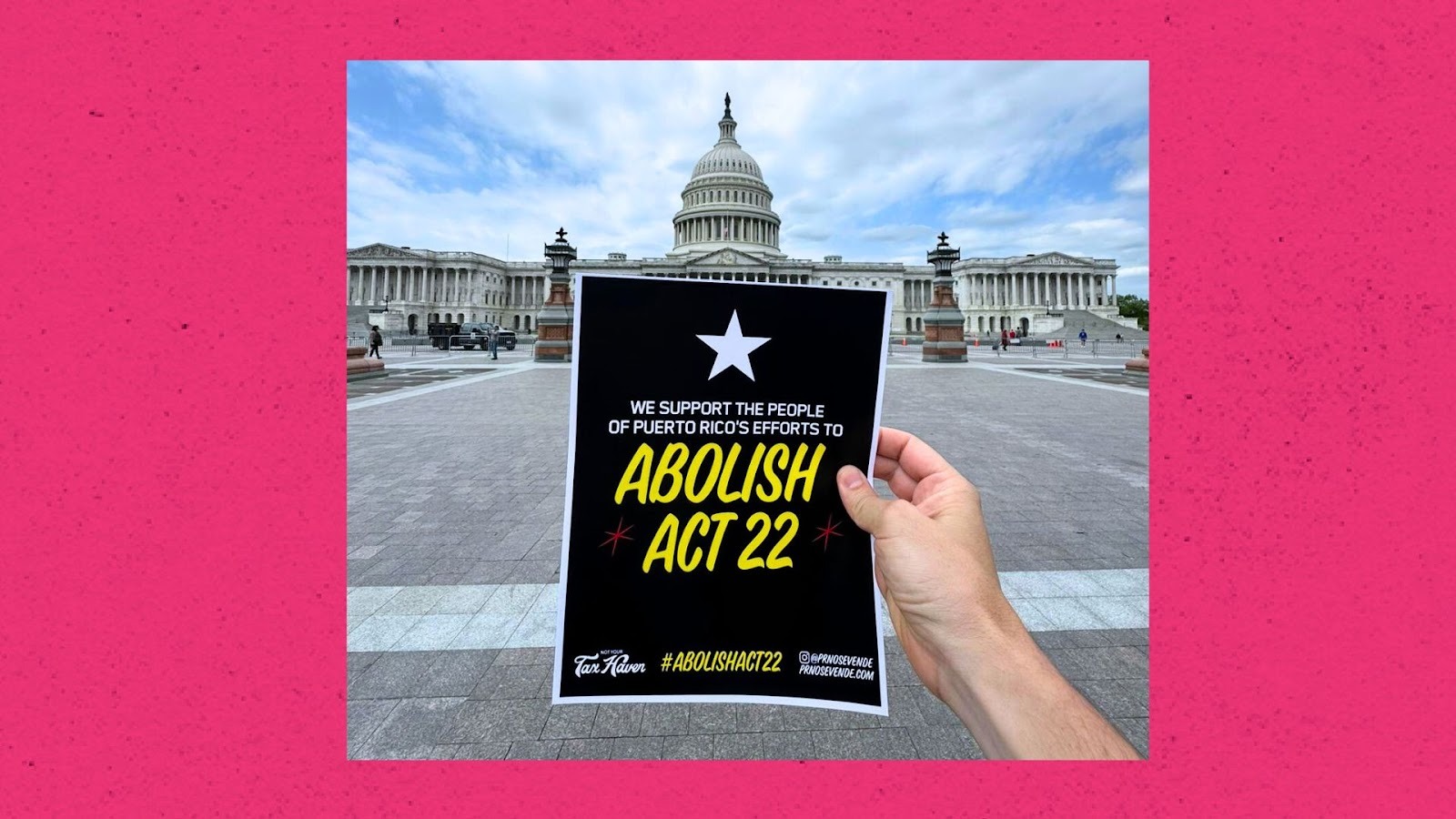
At no point has the Government undertaken the task of analyzing the role these incentives play in the displacement of communities and the affordable housing crisis in Puerto Rico. Meanwhile, they allow environmental damage caused by projects led by these Act 22 beneficiaries —an impact on natural resources that will never be replaced. They also fail to consider the significant increase in electricity and potable water usage in a country where both infrastructures already fall short.
Our coalition plans on detailing these impacts, as well as the consequences of granting these incentives without adequate oversight. The loss of $18 billion marks only the beginning.
Iris Figueroa Irizarry is a member of the PR No Se Vende/Not Your Tax Haven coalition. She is an attorney and has extensive experience in advocacy, legal services and community education on a range of issues including labor rights, environmental justice, immigration and Puerto Rico policy. She is a graduate of Georgetown University, Columbia Law School (JD) and the University of Amsterdam (LLM).
To learn which organizations form part of “Puerto Rico No Se Vende”, click here.