Ismael Cruz Córdova: Embodying Albizu “Has Reaffirmed My Mission”
The actor explains his process of portraying Puerto Rican independence advocate Pedro Albizu Campos
“Why not us?” That’s the question actor Ismael Cruz Córdova asked himself from a young age—and eventually led him to pursue a career in film. When he became aware of the inequalities his family faced, the questions were never-ending: “Why can’t we benefit from these opportunities? Why can’t we attend the same schools? Why can’t we go on vacation? Why can’t we go to the beach in San Juan? For us, as poor people, it was such a big deal [to go to San Juan],” he said, recalling his upbringing in Aguas Buenas.
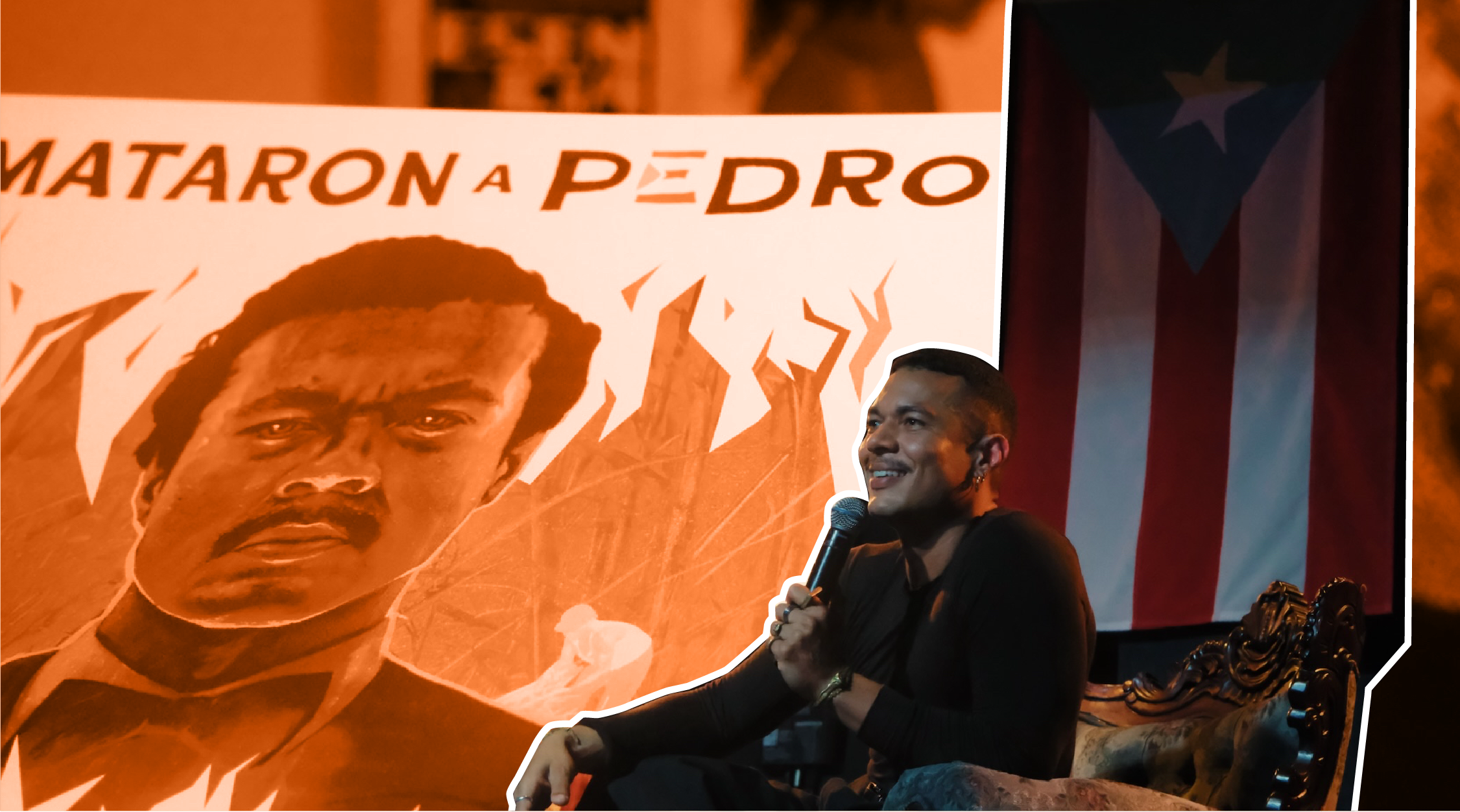
Seeing the constant struggle of the women in his family inspired him to bring it to light. “Mi gente, I do this for us; I don’t do this for fame,” he stated before an intergenerational audience that listened attentively.
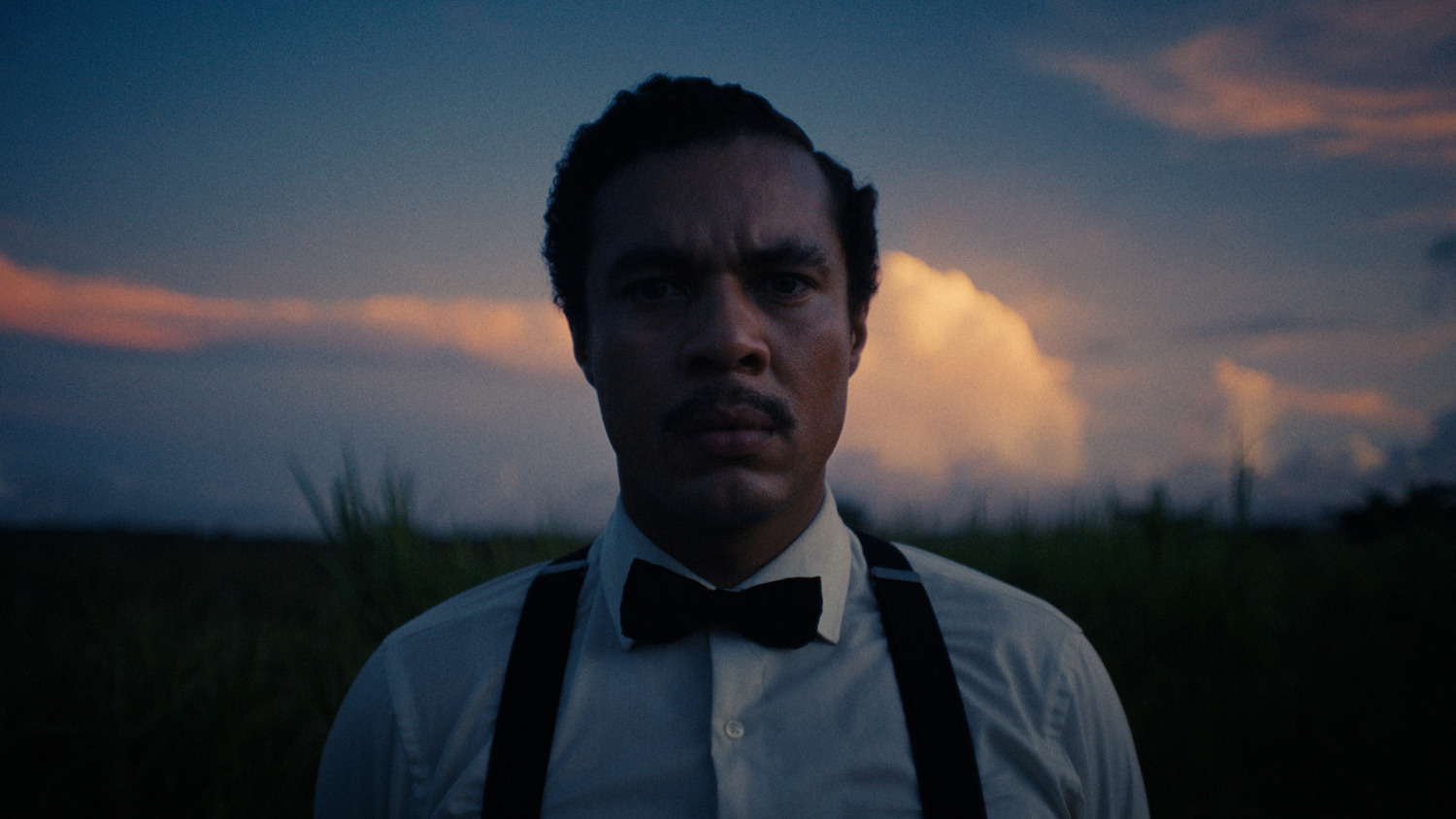
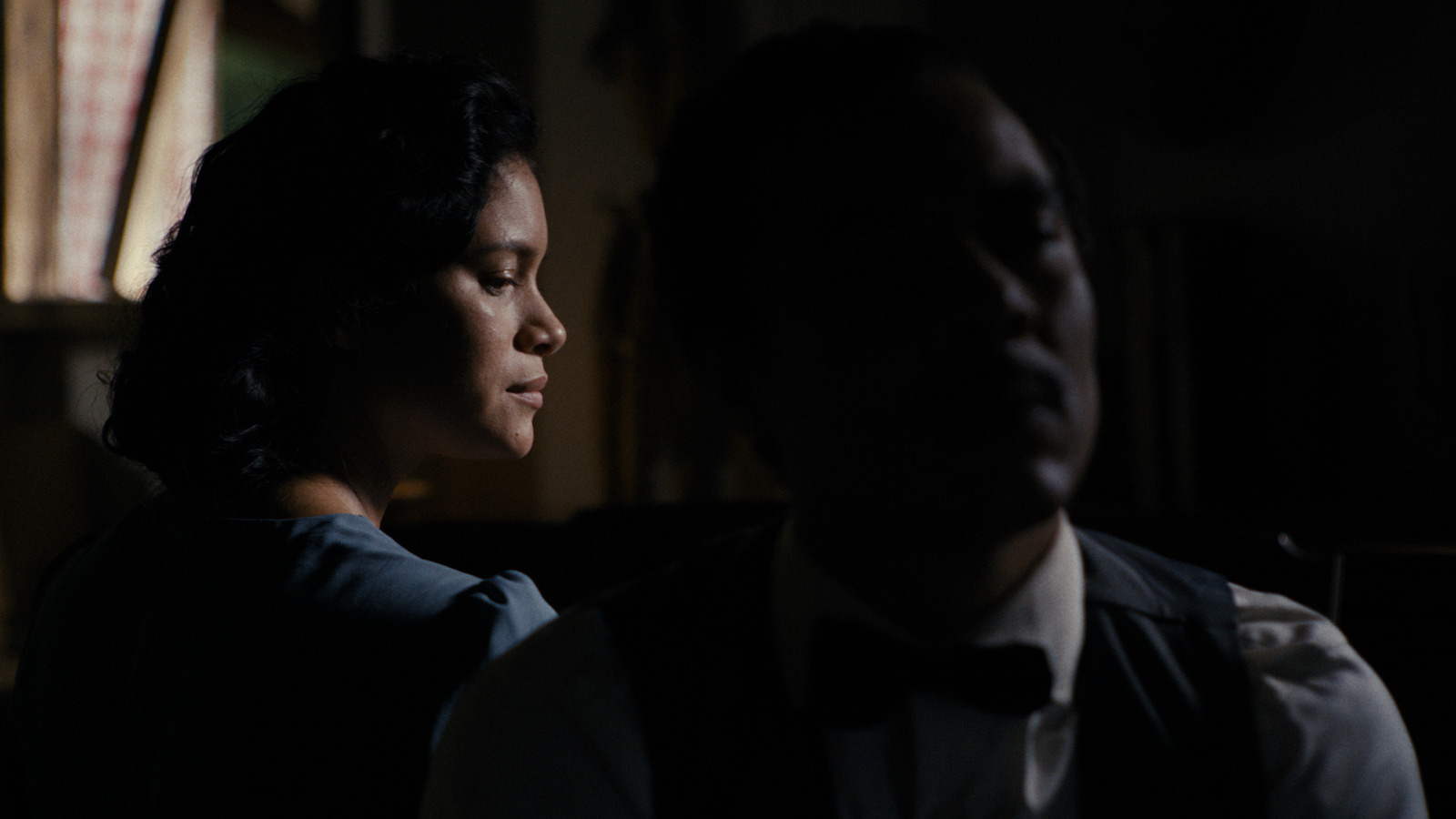
The conversation took place after a screening of the short film “Mataron a Pedro” during its premiere weekend in Puerto Rico at La Respuesta. The film, directed by Kristian Mercado, offers glimpses into the life of Pedro Albizu Campos, the lawyer and nationalist leader who fought for the working class and Puerto Rico’s independence. Cruz Córdova plays the man known as “El Maestro.”

The actor said he became obsessed with Albizu Campos’s story because he shared his same concerns about racism, classism, and colonialism faced by Puerto Ricans. Furthermore, he felt an even stronger connection when he learned that Albizu Campos had lived in his hometown. “I became quietly obsessed,” he admitted. For years, he has been researching and learning about Albizu Campos. A year before he rose to stardom for his role as Arondir in “The Lord of the Rings: The Rings of Power,” he began receiving messages on Instagram from Puerto Ricans in the diaspora, saying he could play Don Pedro because of his physical resemblance.
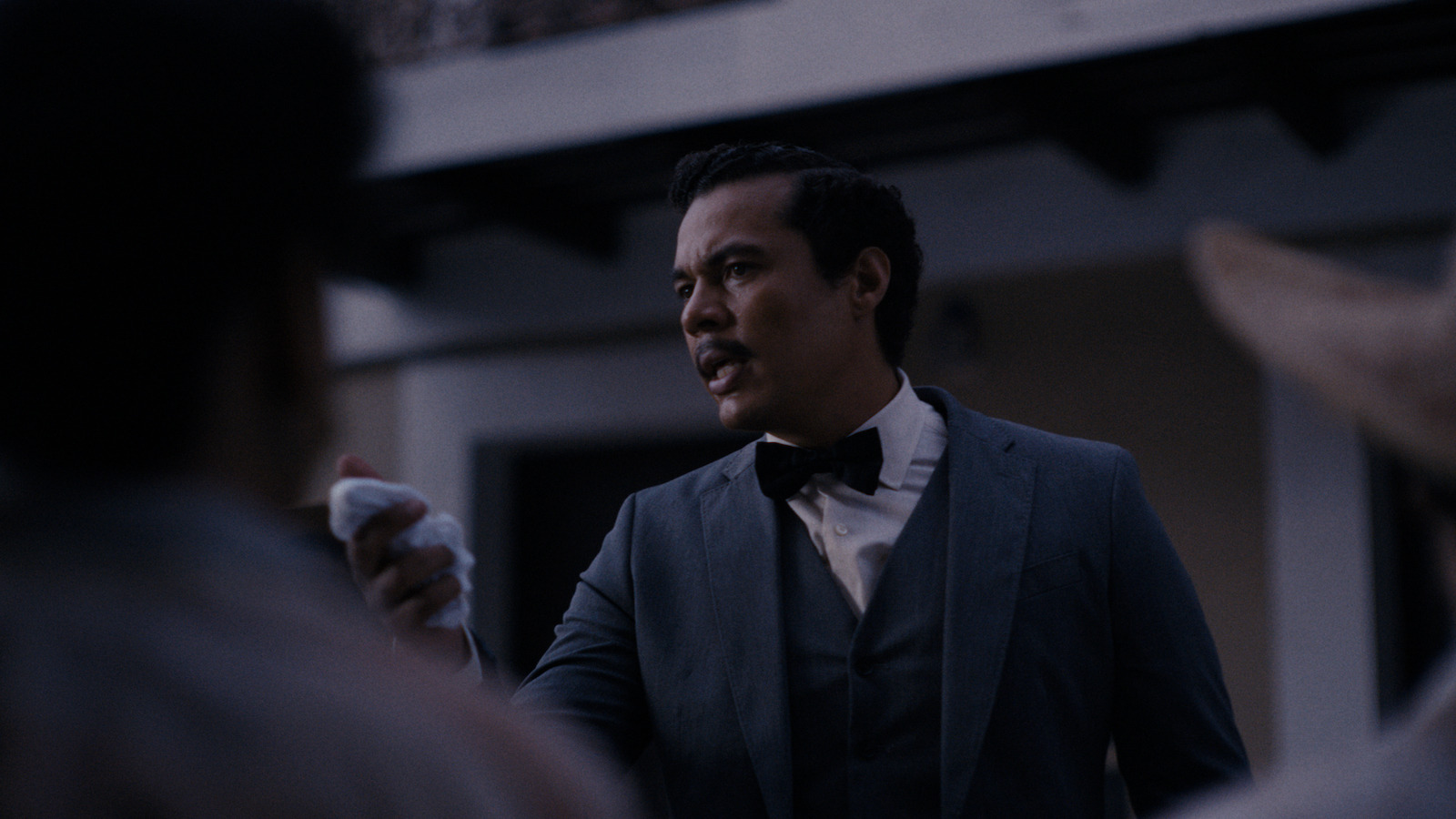
“I never in my life thought it would fall to me to do this, and then, suddenly, Kris [Mercado] comes along,” he said about the moment he was recruited. Mercado, the director, has said that he grew up viewing Albizu Campos as a hero. “This film is my attempt to give him and Laura [Meneses] the full humanity they deserve on screen,” he said in a written statement.
In the coming weeks, “Mataron a Pedro” will screen in San Juan, Baltimore, New Jersey, and New York. You can view the upcoming screenings here.
Below, we share the conversation that 9 Millones had with Cruz Córdova during the third screening of the premiere in Puerto Rico, in July. The conversation has been edited for brevity and clarity.
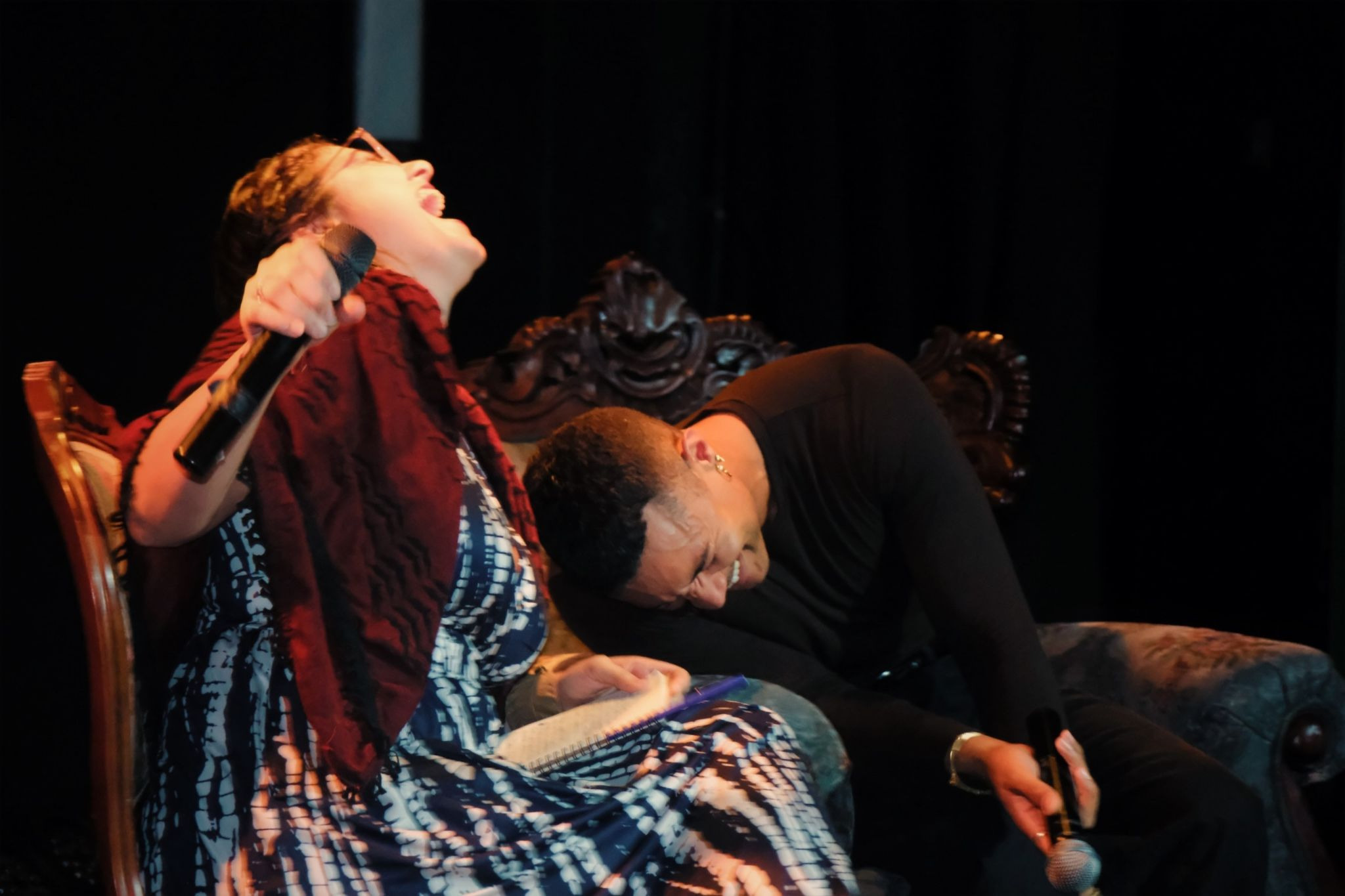
Camille Padilla Dalmau: Part of Albizu Campos’s radicalization—with his anti-imperialist ideals—occurred when he went to the United States to serve in the military and experienced that discrimination and racism. I’m curious if, for you, moving to the United States was part of your radicalization. Or were there influences in your childhood that introduced you to a figure like Albizu?
Ismael Cruz Córdova: I think I came out radicalized from the womb… [Laughs]. I grew up in a very poor family, with high levels of illiteracy, in Aguas Buenas, Puerto Rico. Also, as an Afro-Puerto Rican, there were things that almost immediately made it clear to me that I didn’t have a prominent place—neither the most desirable nor the most privileged. We—as a family, I as an individual, and as a community—were expected to stay on the margins, in our little corner, on our little side, and to grow up, develop, and die there. From a young age, I felt that restlessness. I don’t know how it began; it was very early on. I used to ask: Why not us? Why can’t we benefit; why can’t we study in the same schools? Why can’t we go on vacation? Why can’t we go to San Juan to the beach? As poor people, it was such a huge event. I remember we’d come back from a trip and we’d be going wild, shouting: “The stone dog, the stone dog.” Do you remember the dog? That was such a big deal for us. Just going to McDonald’s… We’d celebrate.
That restlessness never, ever left me. It led me to keep investigating, to keep fighting, to keep facing a lot, a lot, a lot of rejection and a lot of pressure… The reason I was able to start, as you say, becoming radicalized [was] through education; through books; through opportunities. It was the teachers. Many brave women in the public school system who, on the sly, would slip me a little book; they’d give me advice. As a swimmer, I ended up at a private school, Notre Dame de Caguas, on a scholarship. We had a priest—who I think was quite the nationalist—and during lunch breaks he’d say to us, “You can come into the classroom,” and there he’d give us our little lesson on Puerto Rican history.
I went through all those experiences, and that question never left me: Why not us? I think all of us here have asked ourselves that question: Why not Puerto Ricans? Why are we treated this way? Why are we left behind? Why is that guy in orange still throwing Bounty wipes when more than 4,000 people died after Hurricane Maria? Why do we have to be subjected to that kind of treatment? That is what drives me today—what guides me.
Camille: An actor’s job is to channel another person, especially when you’re portraying a historical figure. What was that process of portraying Pedro like?
Ismael: I had already begun a research process. But then, when it came to taking on the character, [it was] completely different. The anxiety that came over me; the doubts—about my own talent, my own ability—were overwhelming. Even these events… I feel a little better now because this is the third time, but during the first one I was nervous because I see all of you, and we all share the same passion and understand the responsibility. I want to approach it in the way it deserves…
There isn’t much historical footage of young Pedro. It’s hard to find, so I had to piece together a little collage from the photos. But there’s plenty of audio. I began developing the character through Don Pedro’s voice, which is incredibly unique, yet has a certain power and cadence. You work on it like a singer does—the oral cavity and all that. When I start that process, that’s when I begin to physically understand where that rage comes from and what it began to awaken in me. It was from the voice that I then built the entire character.
Camille: Can you share a line from Pedro with us, in his voice?
Ismael: No. [Camille, Ismael, and the audience laugh]. Seriously, it’s super hard… I didn’t have that voice until we shot the first scene. Debbie [Pérez], the producer, knows I was overwhelmed. Seriously, I was super overwhelmed, and I have no problem admitting it.
I was incredibly overwhelmed and nervous. When we did that first speech and [the voice] came out, it gave us all chills—me too… It was just such a beautiful thing, like something spiritual, ancestral. It was beautiful..
You have to understand and put it in context… [Back then] there were no cell phones… They went from square to square, from sugarcane field to sugarcane field. I mean, that voice had to reach people, and that voice was what mesmerized a nation, a continent. Don Pedro has tentacles that reach all the way to the Irish independence movement. We’re talking about a person with that orator’s voice… It’s something truly special, and I have a lot of respect for it.

Camille: Did you have any rituals or practices to channel Don Pedro?
Ismael: [Listening to] the audio recordings as such; [looking at] the photos… Many people have supported me throughout the process. One person gave me [a copy of] Life magazine, which came out right when the attack on The House [of Representatives] took place, involving Lolita [Lebrón]. I had it there in print, and I’d look at all of that; I’d see Don Pedro. It’s an issue that came out two or three days later. I carried it with me. I’d listen [to the recordings]. But the reality is that we were right there as a community on set, and that was more than a ritual—it was something we all honored, that energy—and everyone looked out for me so that I could… [The audience applauds]. Yes, really, [they looked out for me] so that I could pull this off. A beautiful thing, truly.
Camille: How do you think this short film can spark conversations about Puerto Rico’s sovereignty?
Ismael: Those of us here already understand a lot of things. Who we really need to engage is the younger generation—they’re the ones with energy; the ones taking to the streets; the ones who are going to take to the streets. There are many people—I’ve seen several here: Salón Boricua, El Cayito, BoriFrases—who are running some really beautiful and important pages on social media, educating us…
Actually, what I want—what I’d love—to do is create a limited series, because the nationalist universe isn’t complete if we don’t talk about its women. That story ends up taking a back seat. Many people didn’t know Laura Meneses; I didn’t know her very well myself. That woman was the backbone of Pedro’s life—not just a mother figure, but a central political figure. He met her at Harvard… She was also educated at Harvard and joined the Puerto Rican struggle; she was exiled and carried on that legacy after Don Pedro’s death… She’s been erased from history. Both in Peru—she was a Peruvian woman—and here.
This short film is perfect because we know that the kids can watch it in a classroom in 15 minutes, and it has enough information to spark questions.
Camille: So, this is for the radical teachers.
Ismael: It’s perfect. My hope, actually, is that we keep going. We’re in a really wonderful moment—a perfect storm of patriotism and international prominence, which we know Bad Bunny has tapped into with *DeBÍ TiRAR MáS FOToS*. We have a very specific moment, something that happens once in a generation—or in two or three generations—and what I hope is that this reaffirms our mission. It has definitely reaffirmed my mission.
People always ask me who my inspiration was; which movie. It wasn’t… My inspiration was my aunt, my mom, my grandmother cleaning houses, taking four buses to get to school, walking. That’s what led me to make films: that lack of a voice, that lack of visibility.
Mi gente, I do this for us; I don’t do this for any fame. I do this because I have a love for my homeland—no matter what, [no one can] take that away from me; I love our homeland. [The audience applauds]… And as they say, I’d rather die standing than live on my knees. [The audience applauds again].
I’m very clear about my purpose in this little journey—which, basically, is this life. This kind of project (and many more) is what I want to keep [doing]… So let’s keep going. Let’s keep doing projects; let’s keep doing little things. Please, keep supporting us.
Editor’s Note: This conversation took place on July 6 during the premiere weekend in Puerto Rico. The production team behind “Mataron a Pedro” invited 9 Millones to moderate this screening, which was organized on short notice; as a result, no coverage of the event had been planned. They recently shared the recording with us, and given its continued relevance, we are publishing an excerpt here.