Seven Recommendations from Climate Change Experts for Managing Drought in Puerto Rico
Although global warming causes more frequent droughts, the lack of drinking water in the country is linked to poor water resource management
SAN JUAN — Although global warming is causing more frequent droughts, the shortage of drinking water in the country is linked to poor water resource management and a lack of maintenance of water infrastructure, according to planning experts. In light of the effects of climate change, it is worth examining the recommendations made by the Committee of Experts and Advisors on Climate Change in Puerto Rico (CEACC) to prevent water rationings.
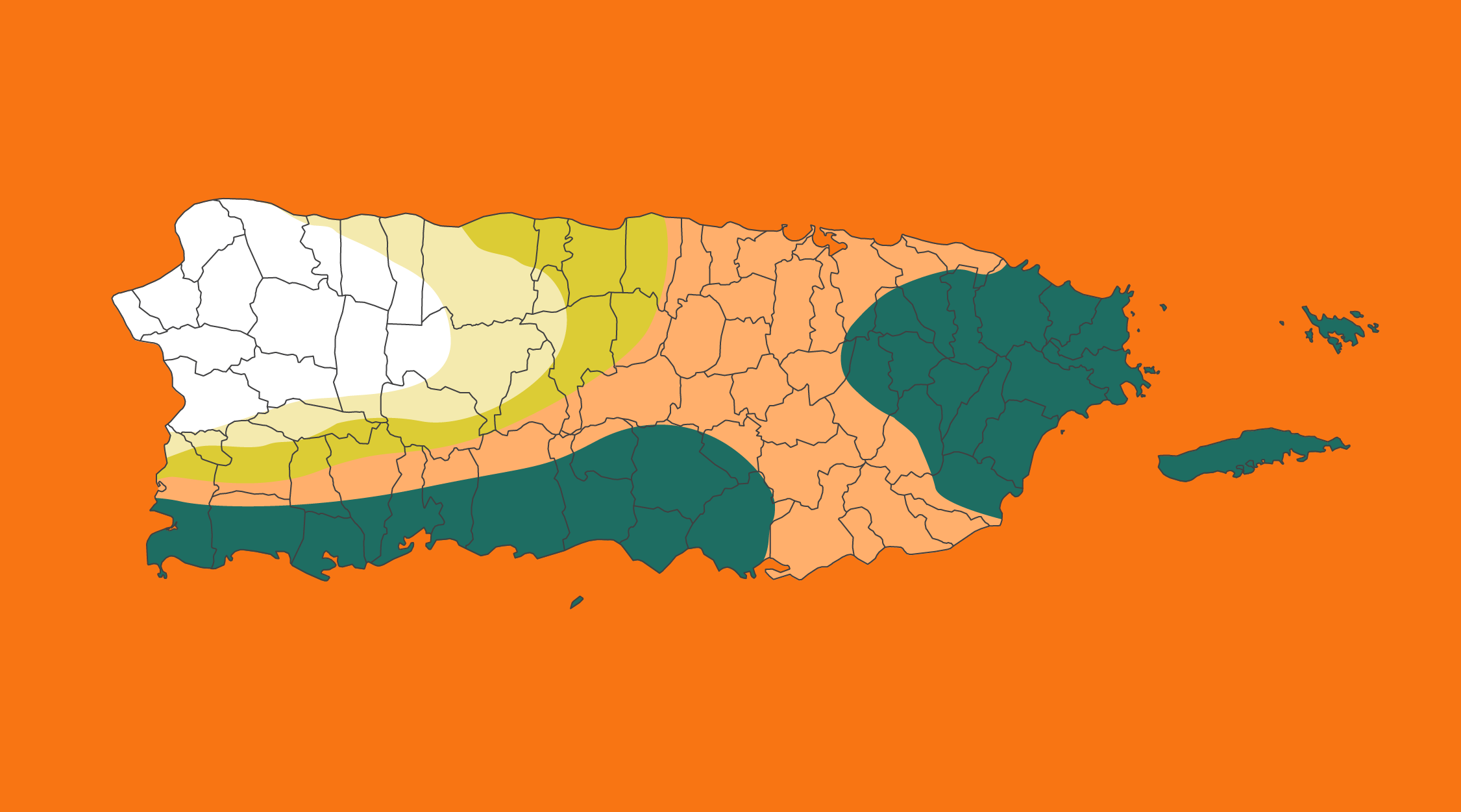
On August 7, the Government of Puerto Rico began implementing a water rationing plan in parts of the metropolitan area served by the Carraízo Reservoir. The rationing, carried out in alternating 48-hour cycles, is a response to low water levels in the reservoir caused by decreased rainfall and rising temperatures resulting from the El Niño phenomenon. This phenomenon occurs when the sea surface in the equatorial Pacific is warmer than usual.
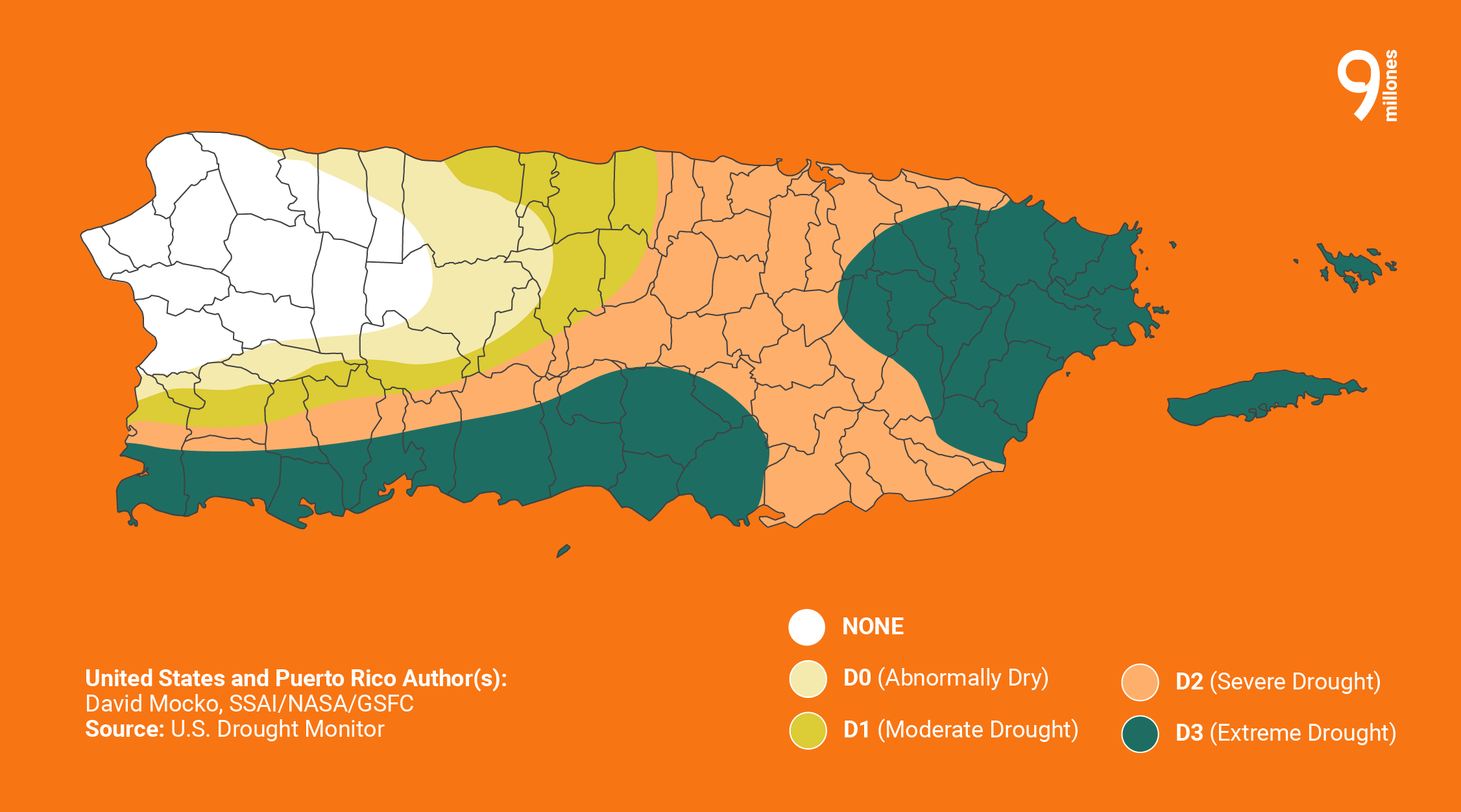
In this regard, the National Oceanic and Atmospheric Administration (NOAA) issued a statement last week, reporting that high temperatures could persist through the end of the year. In fact, with a 69% probability, it will be the most intense El Niño event in the history of NOAA's records, which date back to 1950.
Beyond climate events, Puerto Rico faces other unique challenges to be considered when developing a plan for water conservation and its efficient use, according to the committee. Some of these aggravating factors are:
- The archipelago ranks second in Latin America in terms of the lowest availability of freshwater per person, according to World Bank data.
- The storage capacity of most reservoirs is seriously compromised by sedimentation.
- Hurricane Maria destroyed approximately 144 million trees, which worsened the sedimentation problem because trees act as natural protectors against soil erosion.
- The Puerto Rico Aqueduct and Sewer Authority’s (PRASA) distribution system loses 60% of the water it generates due to broken pipes.
Aware of these challenges, the CEACC published a report with recommendations on how the government can address these problems. Although the recommendations are broad and general, they help focus the discussion on solutions and hold the government accountable for a lack of progress or action.
Have you heard of these solutions before? Read below.

The PRASA should reduce water loss from 60% to 17%, in line with global standards. Similarly, the Puerto Rico Electric Power Authority (PREPA) should reduce water loss in its irrigation canals from the same percentage to 10%. PRASA has set up the hotline (787) 993-2440, available daily from 6:00 a.m. to 11:00 p.m., exclusively for reporting possible leaks. PRASA also announced that it will hire private emergency crews to assist with repair work, with an investment of $1.8 million. Meanwhile, the mayor of Toa Alta, Clemente “Chito” Agosto, launched a website for residents to report leaks and malfunctions in the drinking water system.

Implement rainwater harvesting systems in malls, schools, and residences, and prohibit taxes on rainwater harvesting

Reuse treated water from the PRASA and private companies to irrigate golf courses and parks, as well as to wash streets and sidewalks

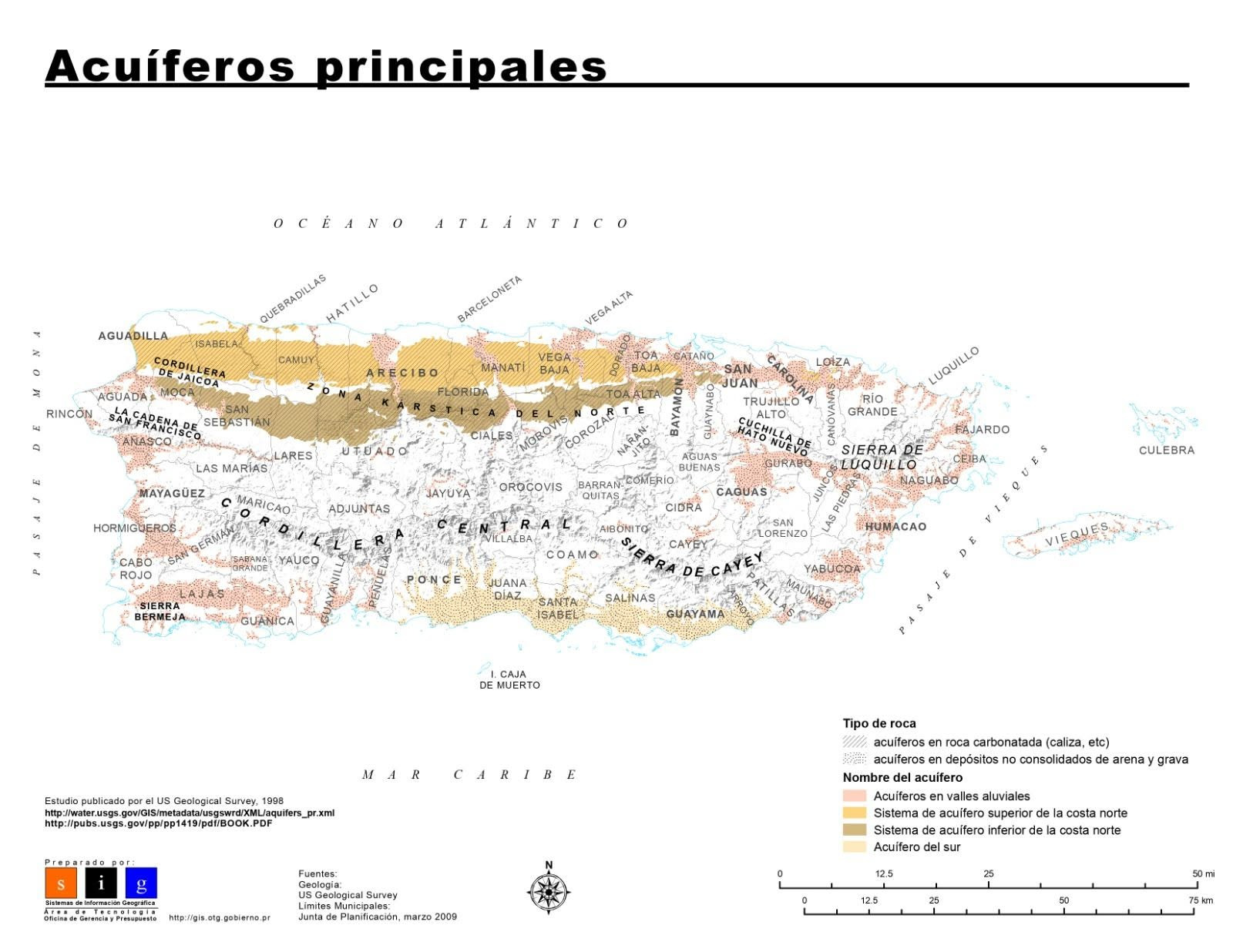
Protect aquifers, both by prohibiting construction and by creating barriers to reduce the intrusion of saltwater, and by replenishing them with treated, previously used water

Explore desalination as an alternative in emergencies, especially for the island municipalities of Vieques and Culebra

Evaluate the option of interconnecting the PRASA’s supply source reservoirs and the PREPA’s irrigation canals, during emergencies

Develop and implement a program of massive reforestation to replace the 144 million trees destroyed by Hurricane Maria. This measure also serves to control flooding
This report contains a total of 57 recommendations for water conservation and management. In 2024, the Committee presented its Plan for Mitigation, Adaptation, and Resilience to Climate Change, subject to the Legislature’s approval, but to date it has not yet been approved.
On Monday, House Speaker Carlos “Johnny” Méndez stated that they would take the plan into consideration, but that it had not been approved earlier due to the lack of legislative language. “The report is not legislation; in order for a plan addressing climate change to be approved, two conditions must be met: the Committee should have submitted a bill for that Joint Committee to consider and then put to a vote, or, alternatively, the report should have contained not only recommendations but also a framework for drafting legislation,” Méndez said, at a press conference.
For now, in addition to the rationing in Carraízo, the Government of Puerto Rico continues to monitor water levels at the other reservoirs.
Likewise, it was reported this week that the Puerto Rico Department of Natural and Environmental Resources (DNER) received a grant of nearly $5 million to plant 200,000 native trees across the archipelago. DRNA Secretary Waldemar Quiles also announced that dredging of the Carraízo reservoir—to increase its capacity by 56 million gallons—will begin next week.
Grest-Marie Colón is a journalist and social media manager at 9 Millones.
Laura M. Quintero contributed with editing. Luis Alfaro Pérez contributed with copyediting.