[OPINION] Puerto Rico: A Migrant Nation
Camille Padilla Dalmau shares her experience learning about the history of the Puerto Rican diaspora as part of the sixth episode of American Colony
Editor’s note: This opinion piece incorporates excerpts from Episode 6 of American Colony, produced by The Latino Newsletter and Shake it Easy Media. You can listen to the episode here.
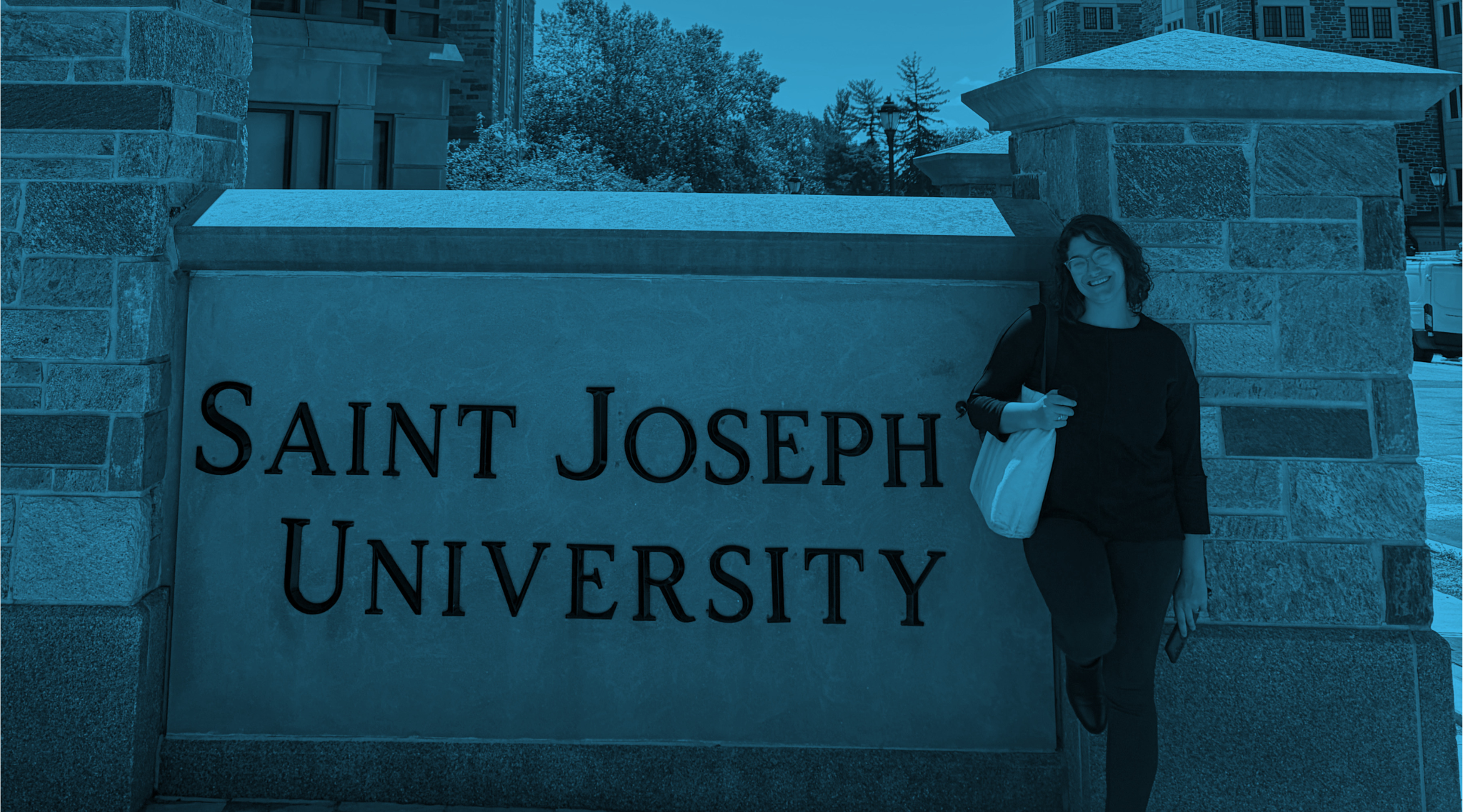
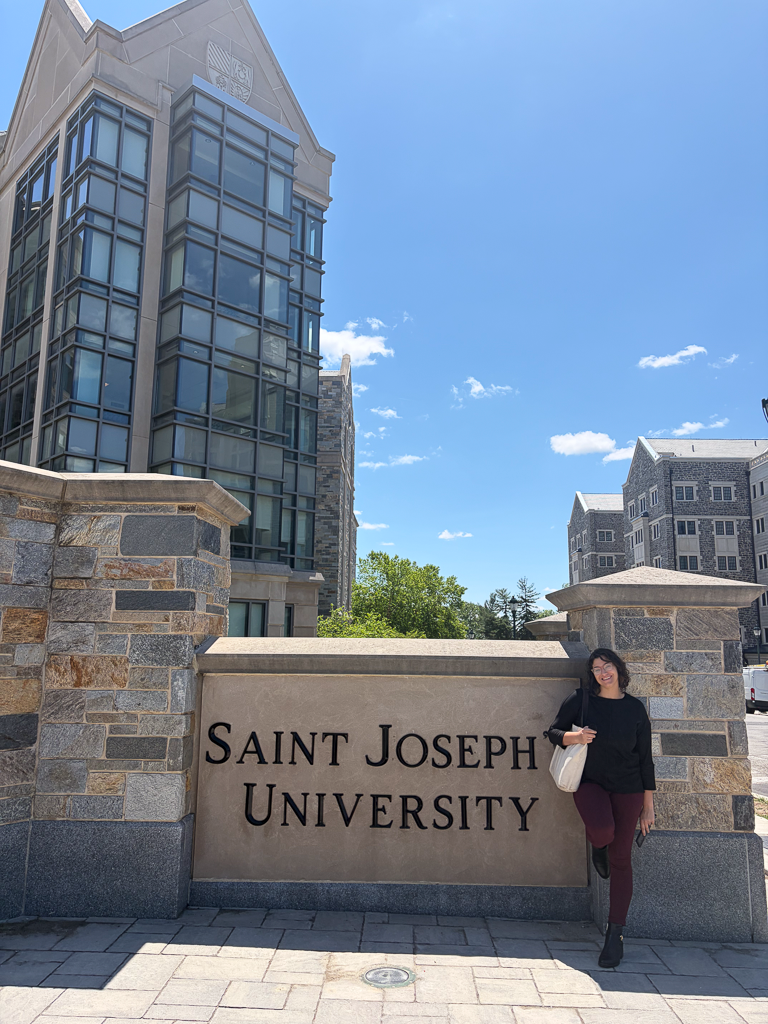
When I was 18, I moved to Philadelphia to go to college. During my first days, I met Jorge, a Puerto Rican who grew up in Philadelphia. I’ll never forget that first interaction. “He told me he was Puerto Rican, and I said, ‘But if you don't speak Spanish and you haven't lived in Puerto Rico, how can you say you're Puerto Rican?’, I recall in Episode 6 of American Colony, a series about colonialism and the diverse experiences of being Boricua.
Jorge responded that his family had been forced to migrate and that they maintained their culture through food and music. I didn’t know there were Puerto Ricans in Philadelphia. I was so embarrassed.
While living in the northeastern United States, I realized that Puerto Rican communities cling to their roots as a response to marginalization and discrimination. The erasure of their experiences is also part of colonialism.
By 2018, around 64% of those who identify as Puerto Rican lived outside of Puerto Rico. That’s why I founded 9 Millones in 2020: to connect Boricuas across geographies.
Our nation’s history extends beyond the archipelago. We are a nation that has been forced to migrate due to public policies such as Operation Bootstrap, colonialism, and the decline of even the most basic services. All of our stories—regardless of where we live or what language we speak—are important because they help us understand the range and richness of Puerto Rican experiences. Our strength lies in that diversity and unity, because every perspective could contribute to helping us solve our problems.
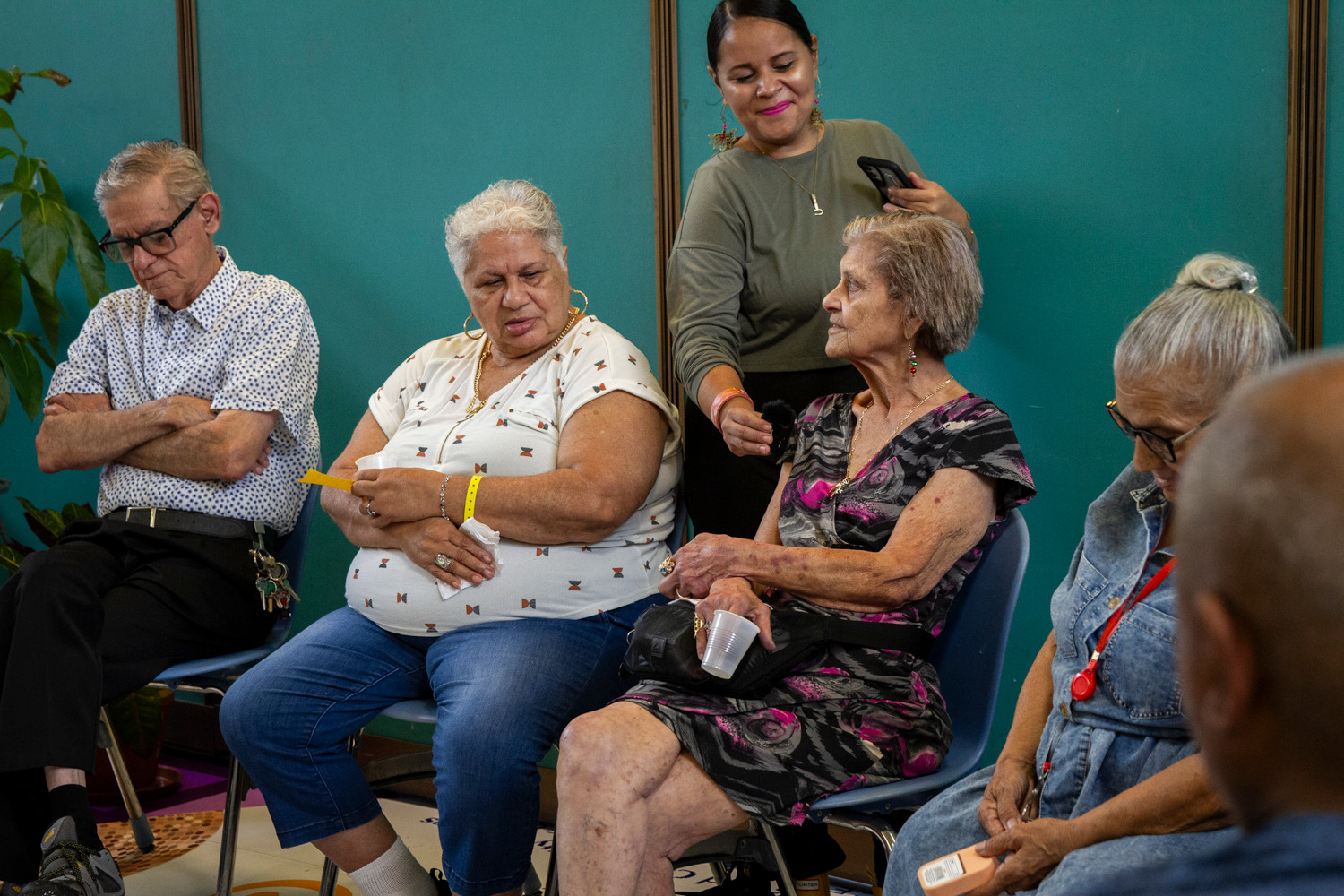
In the episode “A Migrant Nation,” I narrate my experience learning about the history of the Puerto Rican diaspora and deciding to return to Puerto Rico. I also share the experiences of my colleague Frances Medina and my ethnobotany teacher María Benedetti. Both were raised in the United States but decided to return to their parents and grandparents homeland, respectively. This deeply personal episode also includes reflections from my mom, Hilda Dalmau Fontanet, who talks about why she and my grandmother used to send us sofrito in the mail and how it feels to have family far away.
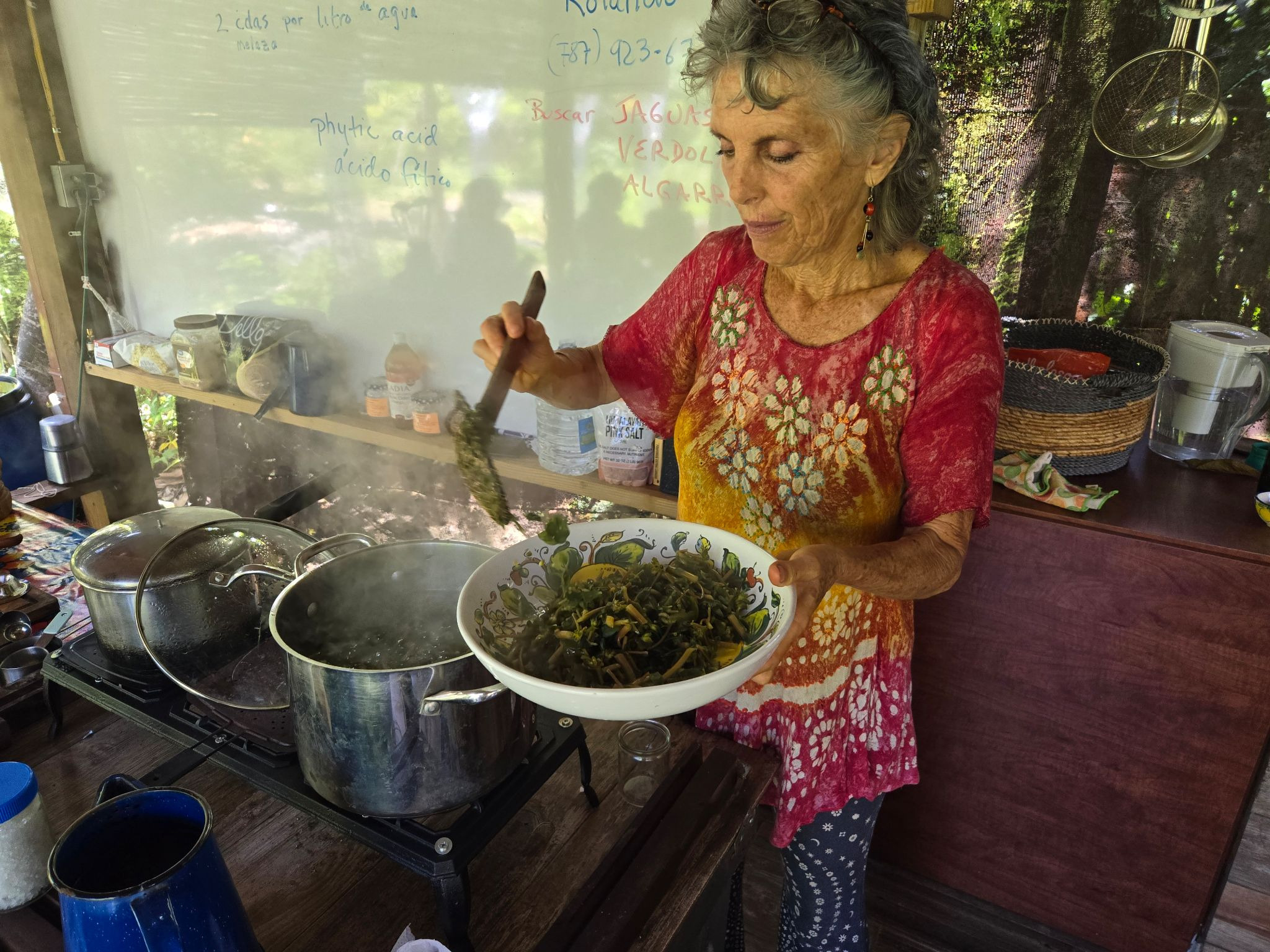
Living in the archipelago is a challenge, but it’s also a political decision that I take on with great responsibility. I invite you to hear more about my experience and the experiences of other Puerto Ricans—who are part of our “migrant nation”—on the American Colony podcast.
Camille A. Padilla Dalmau is an educator, journalist, and founder of 9 Millones.