Learning about the Puerto Rican Diaspora through Chicago's BoriMex Experience
In 9 Millones’ fourth Círculo de Memoria, Puerto Ricans, Mexicans, and allied Chicagoans reflected upon the value of their solidarity
Editorial note: This story is a collaboration between 9 Millones and La Voz del Paseo Boricua, an online website and print newspaper produced by the Puerto Rico Cultural Center.
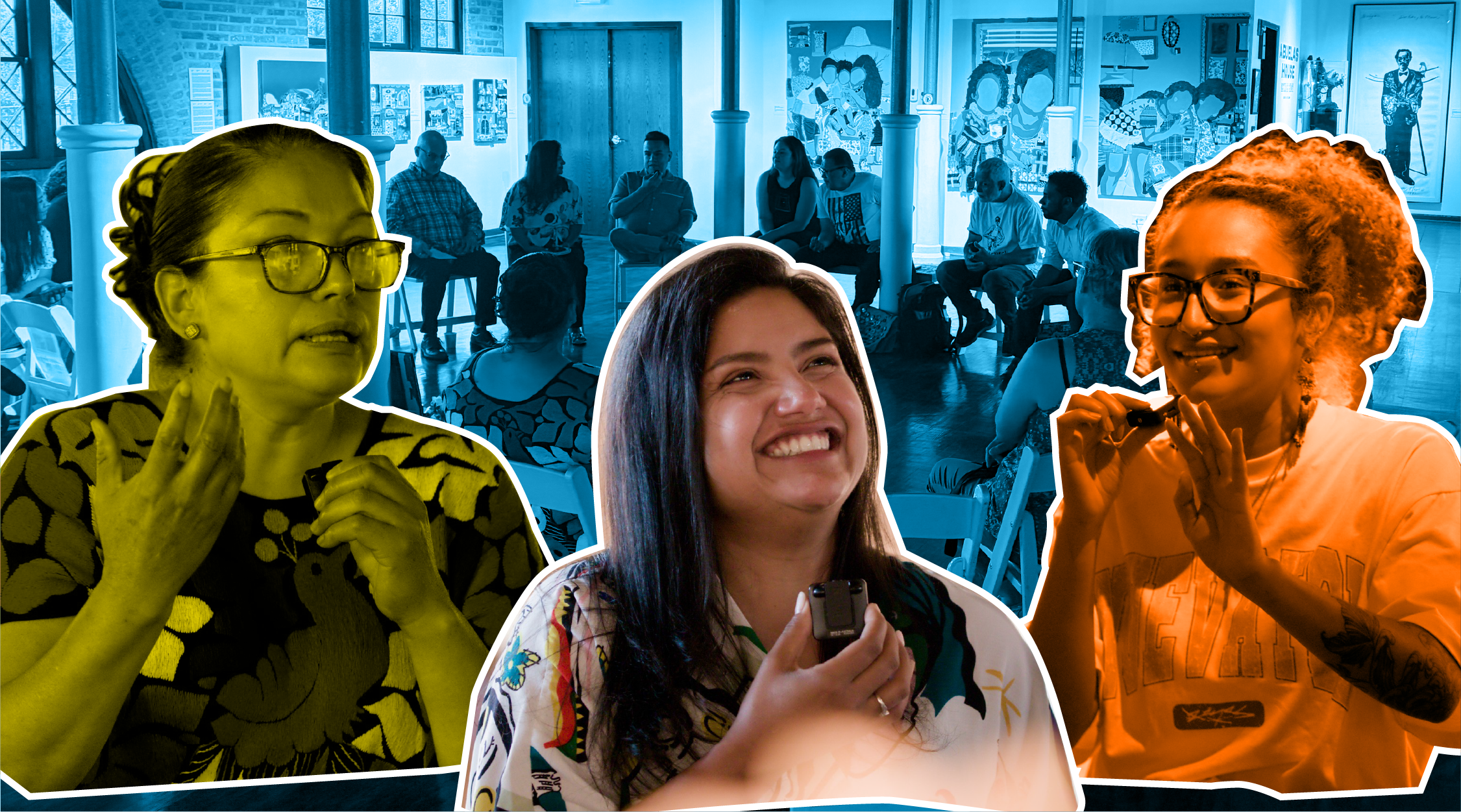
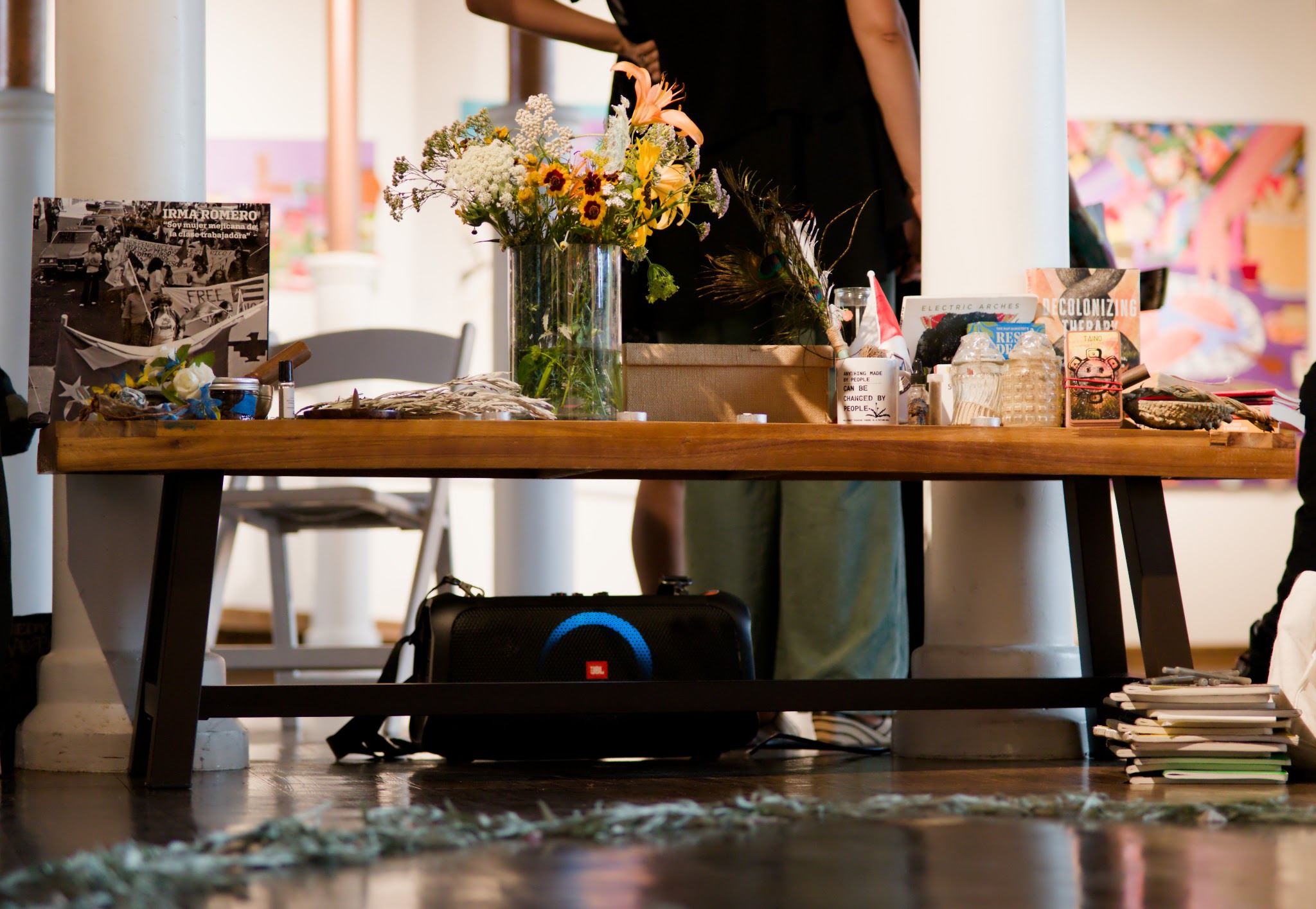
CHICAGO— The air was summery crisp and clear as participants walked through The National Museum of Puerto Rican Arts & Culture located in Chicago’s Humboldt Park neighborhood, on the morning of Thursday, June 9. Inside, a woman—Dorian A. Ortega, psychotherapist and founder of Fly Radical Therapy—prepared an altar with curated readings and photos brought by participants. A sound bowl and a fresh bouquet of sunflowers, yarrows and orange lilies adorned the altar, along with candles and meditation cards. Beside it, a circle of chairs occupied the center of the Batey—the indigenous term referring to a place for gatherings and religious ceremonies. People gathered at this cultural center in Barrio Borikén to participate in a Círculo de Memoria, an oral history tool developed by 9 Millones to validate people’s lived experiences. In the middle of the circle lay a handful of locally grown sage, an herb known for its healing properties—perhaps a sign of how honoring people’s stories can also be healing.
9 Millones, an independent news platform based in Puerto Rico, teamed up with Fly Radical Therapy, a collective therapeutic practice centering BIPOC and LGBTQI+, to hold the Círculo de Memoria: Borimex Solidarity, as a space to collect stories from the Puerto Rican diaspora in Chicago. In 9 Millones’ fourth Círculo de Memoria, Puerto Ricans, Mexicans, and allied Chicagoans reflected upon the significance of their solidarity.
“Part of my radicalization has been participating in immigration reform, understanding the law, and building solidarity and partnership with folks who are doing this justice work,” said Ortega.
Community spaces like this have long provided intentional camaraderie and dialogue for our latino niches. Now, undeniably more than ever, since for the first time in history, latinos account for 20% of the U.S. population, according to the U.S. Census of 2020.
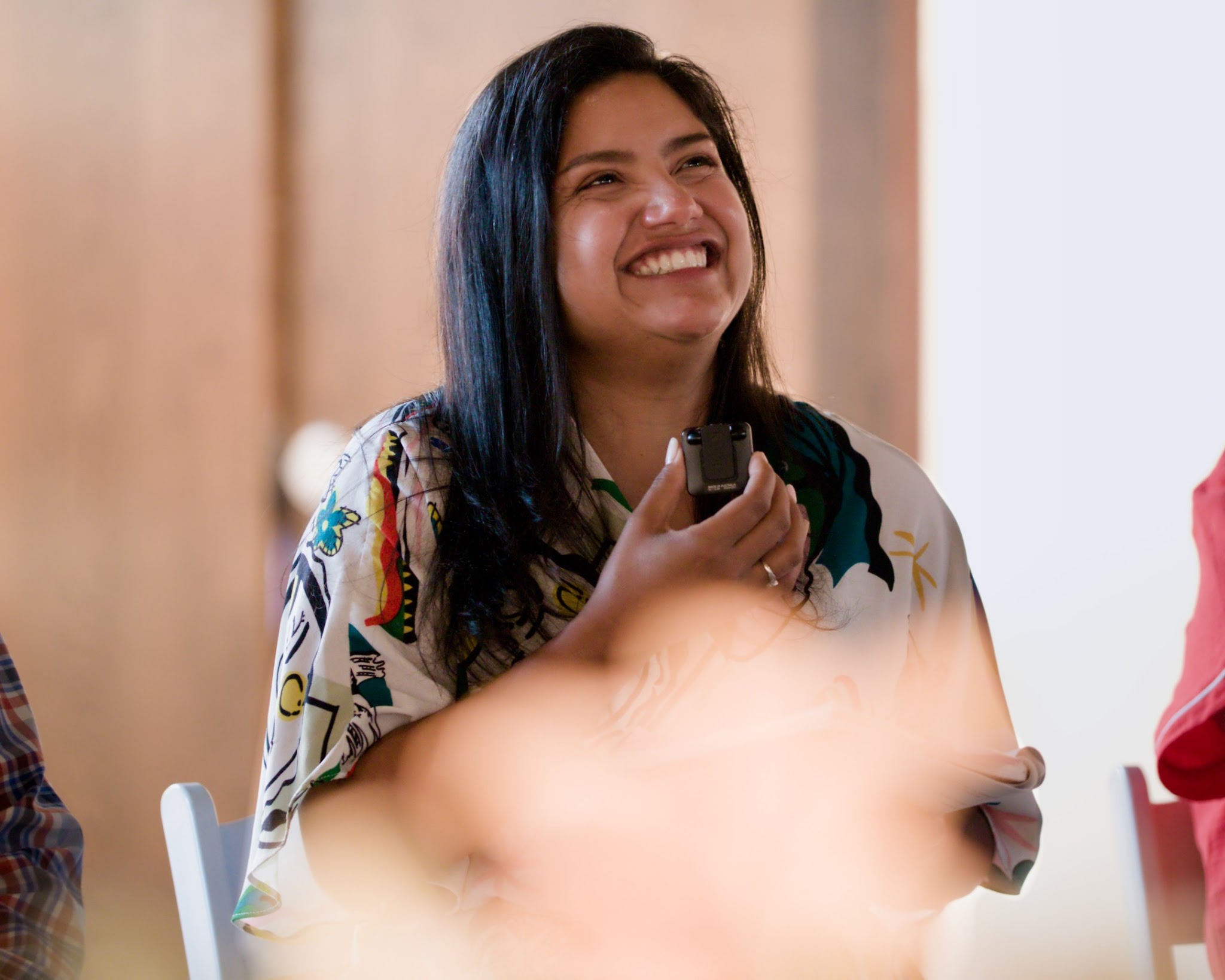
In 2024, 9 Millones started this work to capture and honor the stories of Puerto Rican communities in the archipelago and the United States. The piloted circles were held in Vieques and Philly, where the Alianza de Mujeres Viequenses and Philadelphia Arts & Film Festival, respectively, collaborated in capturing educational experiences and sustaining intergenerational dialogues.
“Our role as 9 Millones is not to take control of the storytelling, it's to really understand how we create an ecosystem to allow our communities to really, really own their narratives… The Memory Circle is the first step to understanding what stories the communities want to tell,” explained Frances Medina, 9 Millones’ Director of Strategic Partnerships.
9 Millones organized the event with the support of the Rooted + Relational Micro-Grant program from the Center for Puerto Rican Studies at Hunter College—the largest university-based research institute, library, and archive dedicated to the Puerto Rican experience in the United States. The Centro’s microgrants give community-based organizations funds to explore some of the topics they research.
This fourth event was attended by prominent Chicago activists and community organizers such as Pastor Emma Lozano; Irma Cabrera Romero's daughter, Xochitl Ramírez; Puerto Rican Cultural Center’s (PRCC) Board of Directors treasurer, Luis Alejandro Molina; ex-political Puerto Rican prisoner Edwin Cortes, who received a clemency offer by President Bill Clinton in 1999; and immigrant human rights activist Elvira Arellano.
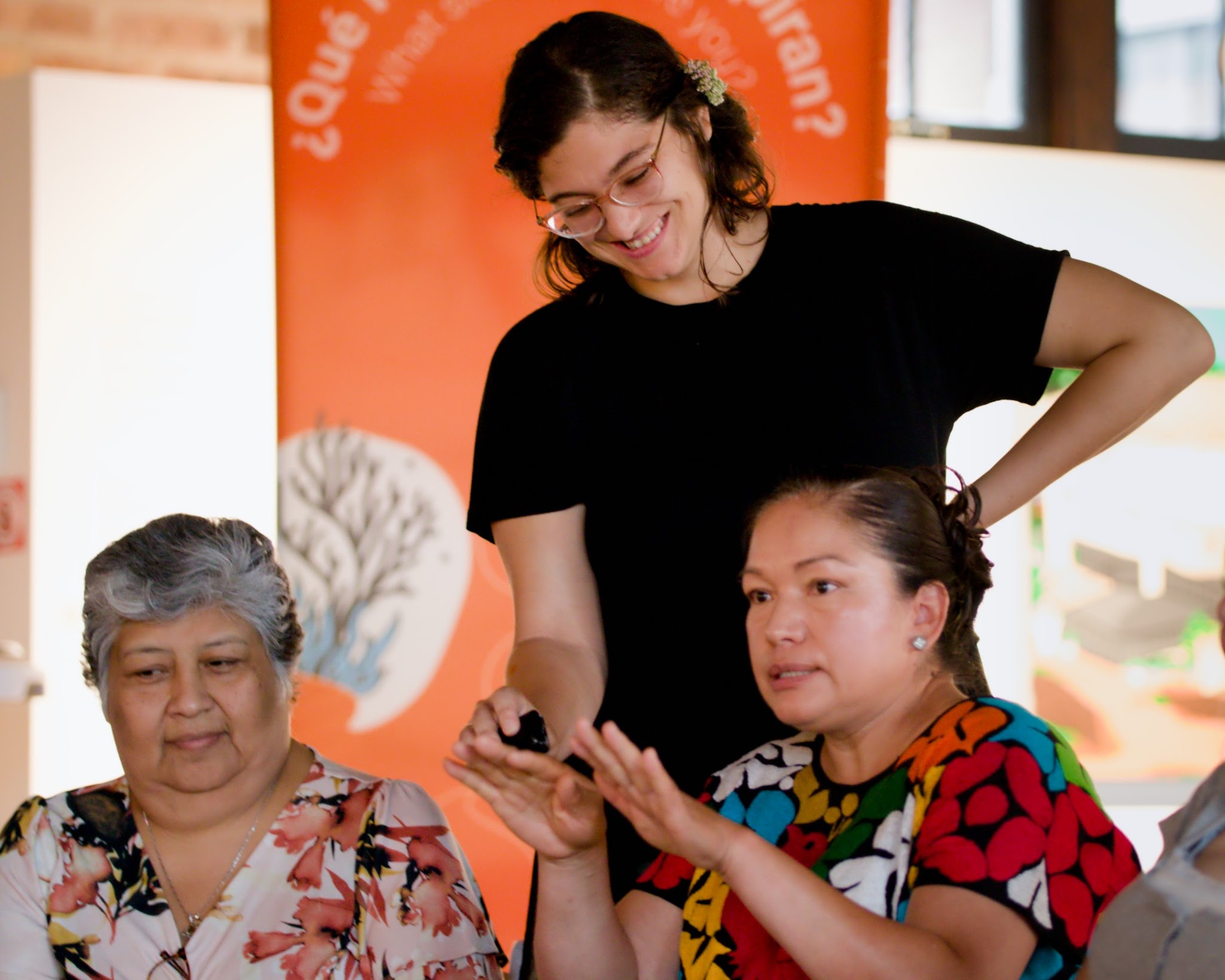
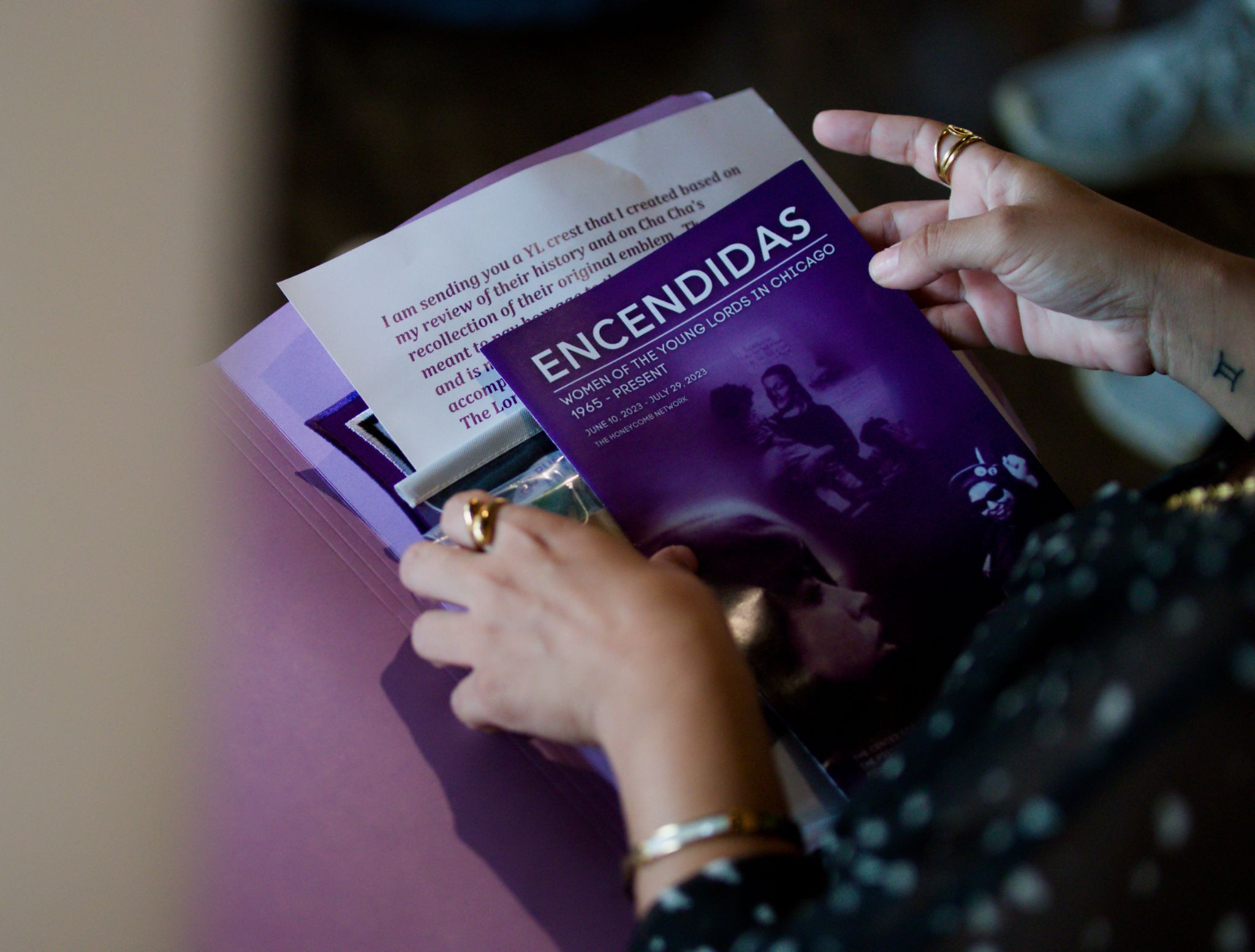
Before the event, participants were asked to bring photos, stories, songs, dances, recipes, poems, or any personal memory. The excitement filled the air, as everyone eagerly awaited introductions. Cross-generationally, one by one they shared a narrative of what solidarity meant to them. Some participants, such as Juan Calderón and Luis Alejandro Molina, included a personal photo along with a published book that emphasized their work as longstanding community and human rights activists. Other stories further highlighted Chicago's activism through the last six decades, including the contributions of the Young Lords to enhance legal protections for our immigrant and LGBTQIA+ communities.
Arellano, a human rights activist, recalled the time that the Puerto Rican community provided sanctuary at the Adalberto United Methodist Church, on the 2700 block of Division Street. Arellano, of Mexican descent, carefully reflected on the days leading up to taking refuge in 2006: “August 15th will mark my 20th anniversary in taking sanctuary at the church ‘dentro del barrio puertorriqueño.’ Many of you supported my family and my [U.S. naturalization] struggle. I worked at Nellie’s, Café Colao, Eddie’s sandwiches. This is where I learned about Puerto Rican sazón and pernil. I now know how to make carnitas from pernil, el sofrito, arroz con gandules, tostones, oh the jíbaros,” she said in reference to jibaritos, a sandwich made with plantain instead of bread that’s famous within the Puerto Rican diaspora in Chicago.
“Well, the connection will always coexist, this is where I learned solidarity.” Arellano’s year-long stay as a refugee on Paseo Boricua made international headlines, which helped spur immigrant coalitions across the United States.
Across memory lane, my story included the struggle of a BoriMex raised Chicagoan that grew up with shame as a little girl who was constantly pressured to choose one culture versus the other. Ultimately, the cross-examination of cultures in the early 90’s, back when my mother of Mexican descent worked in Humboldt Park at Casa Central’s elderly nursing home, led to a sense of personal exploration and intersectional validation. Somebody had asked me if I preferred my Mexican or Puerto Rican side.
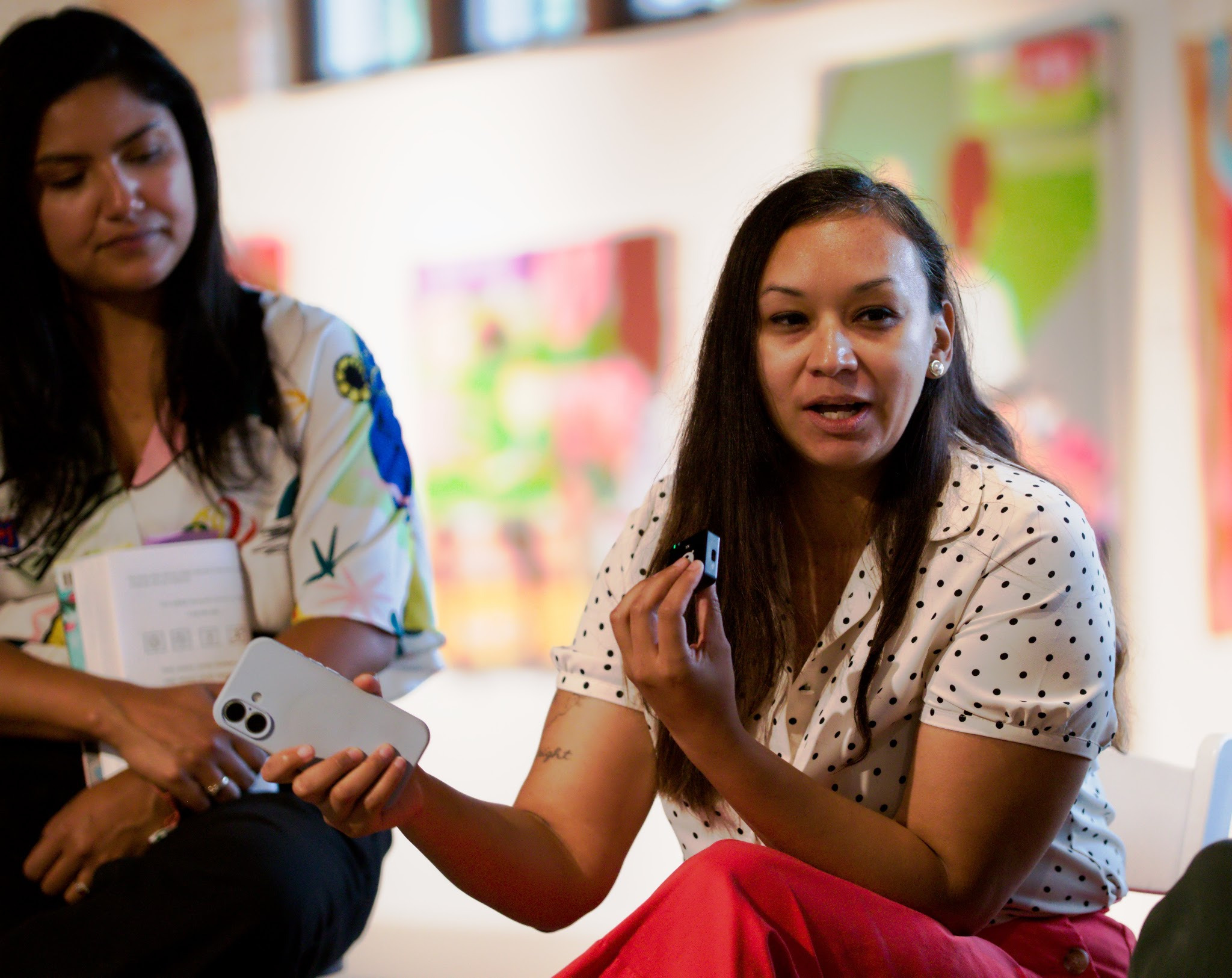
In the circle, I recounted the time my mom’s friend said “You don't have to pick a side. Both are beautiful in their own way and it makes you unique.” As I shared with the group, that was the moment I was proud to be MexiRican.
Ketty Mercedes Burgos is a community health Social Worker who takes joy in storytelling as a way of self-expression and capturing raw moments. Her interests are dismantling health disparities through self-empowerment, being a mom of three, and competing in triathlons.